🇹🇷Türkçe 🇬🇧English 🇷🇺Русский
go back

Road to Ula

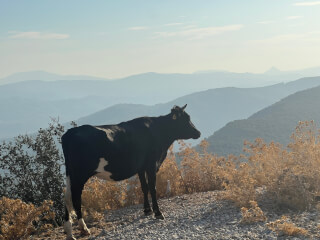
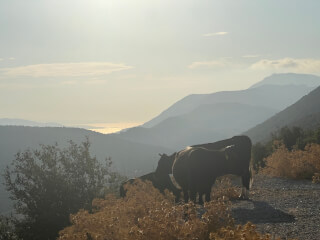
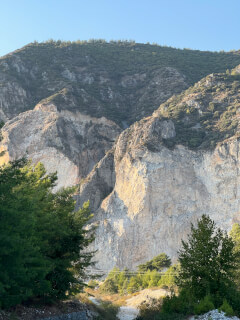
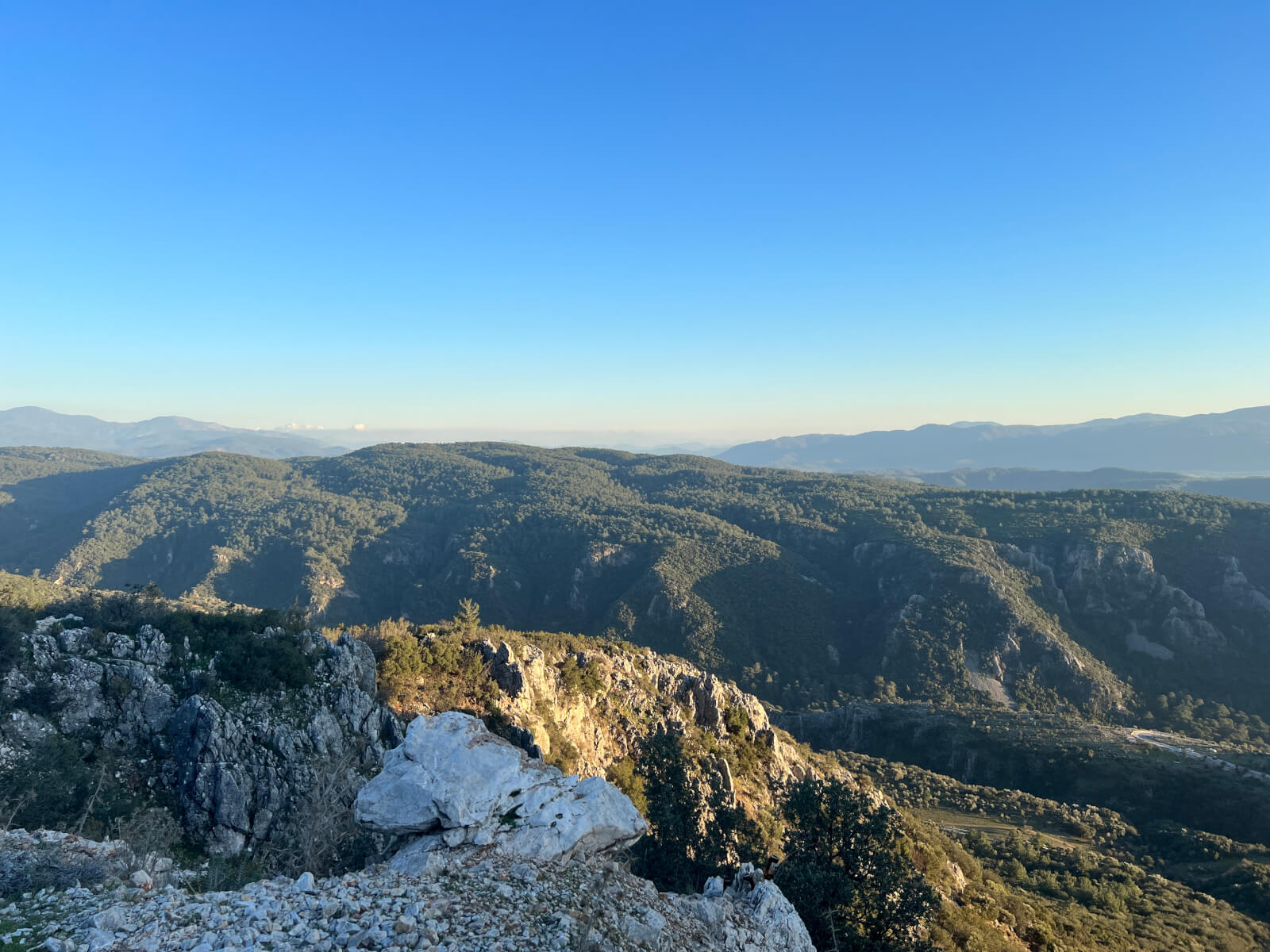
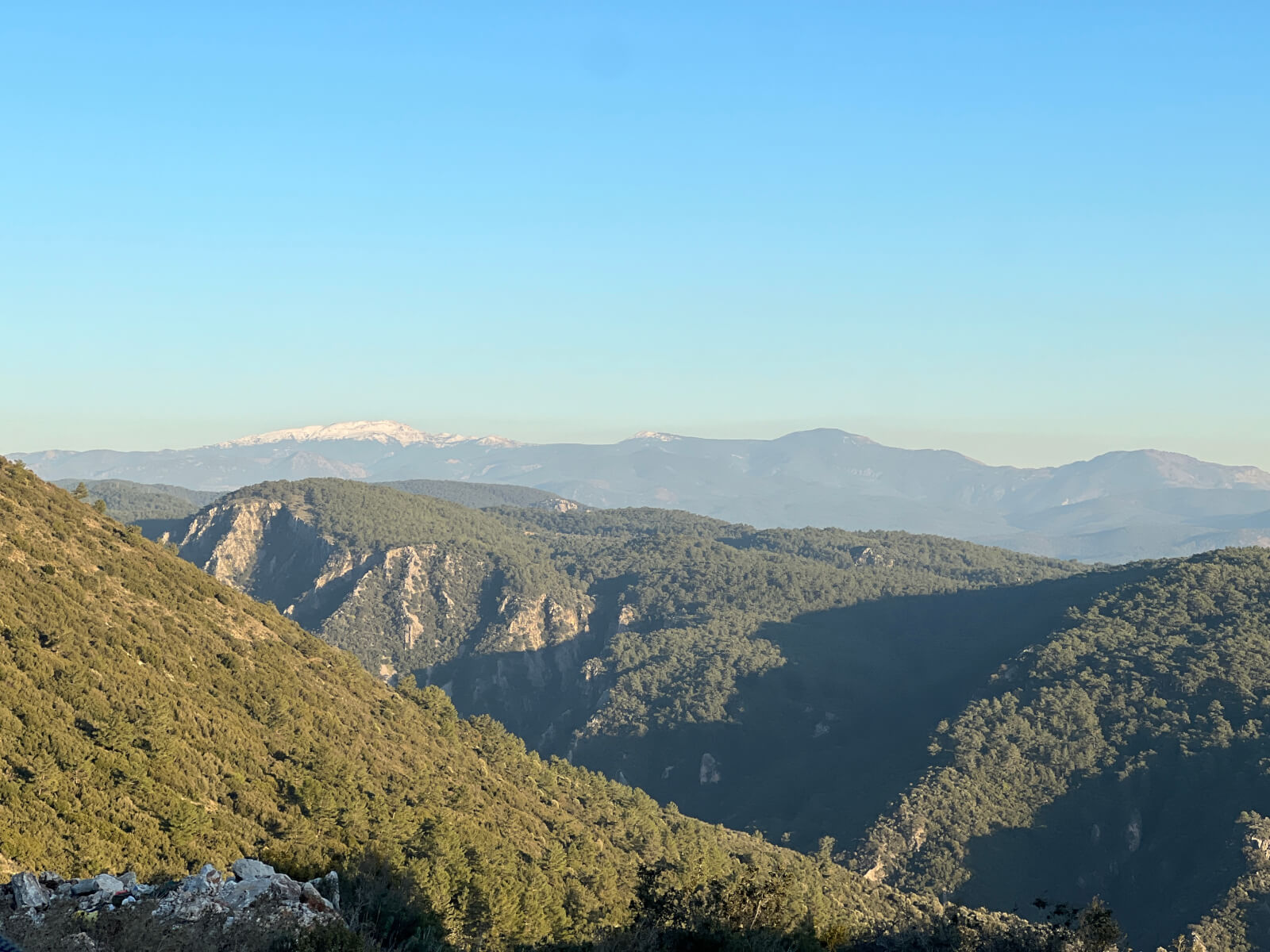
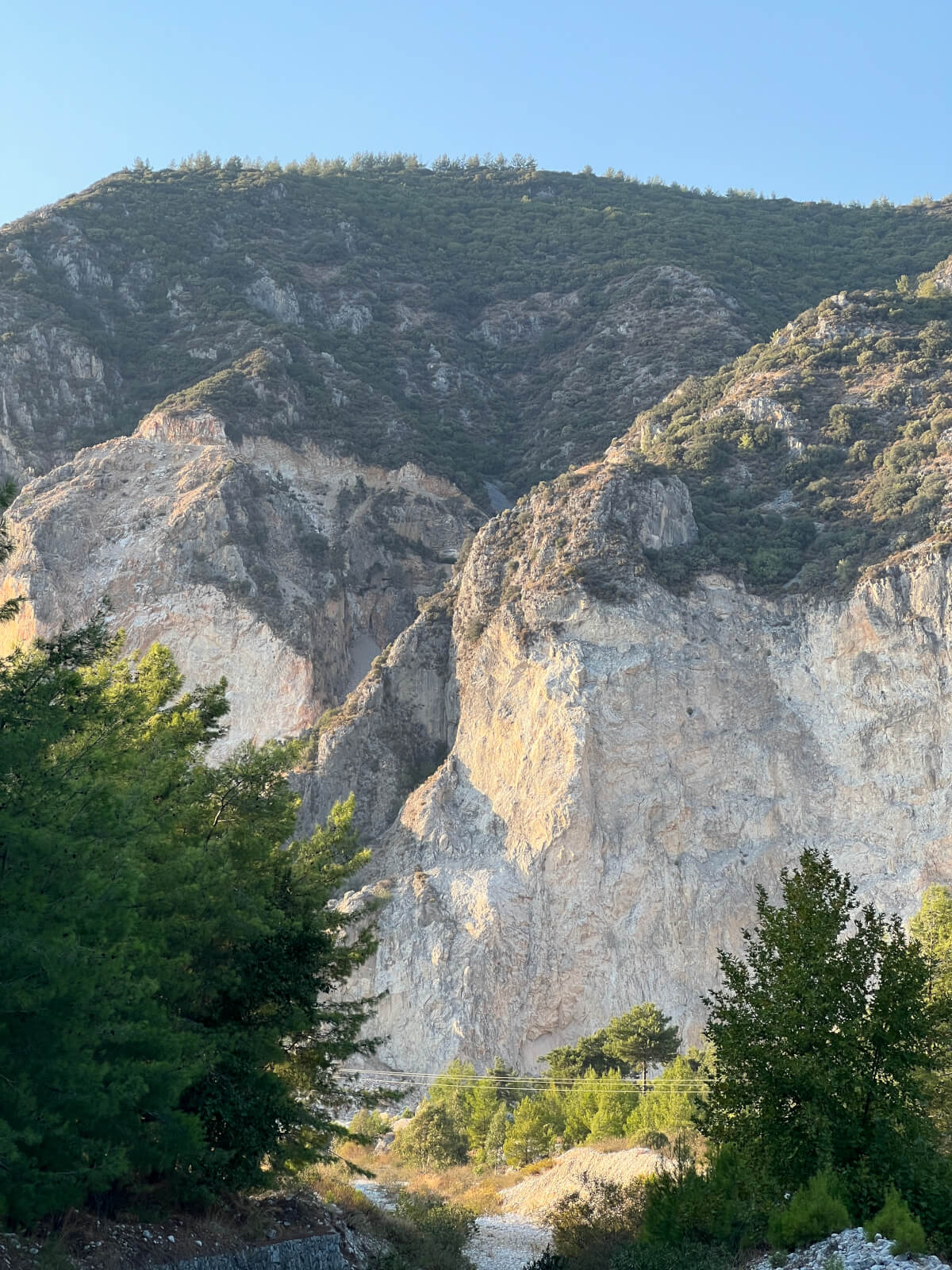
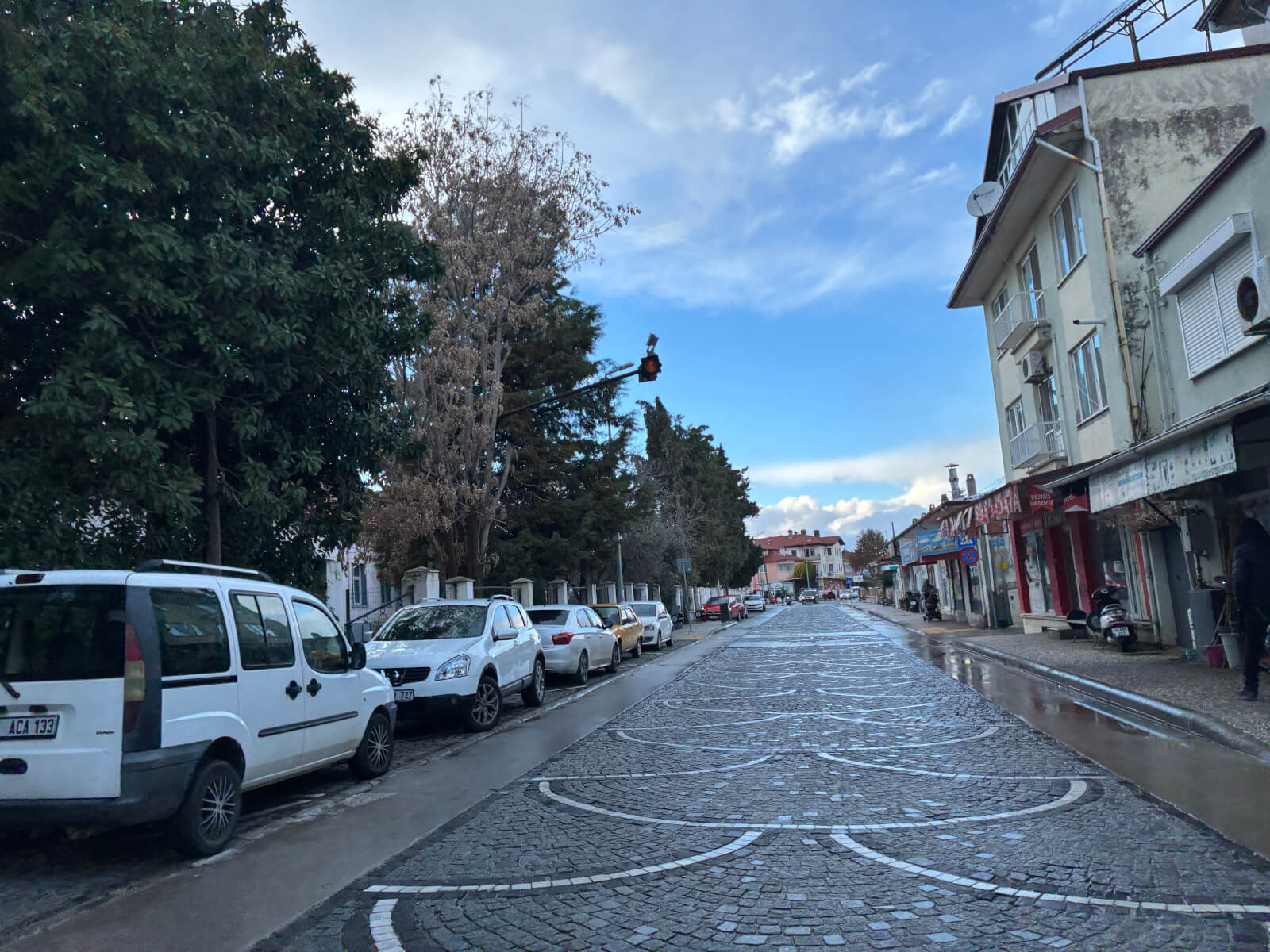
Between Akyaka and Muğla there is not only a new fast highway used by all buses and trucks, but also an old road through the pass. Now the main traffic has been taken over by the new four-lane section, so the old mountain road has become much quieter and resembles a panoramic route for its own.
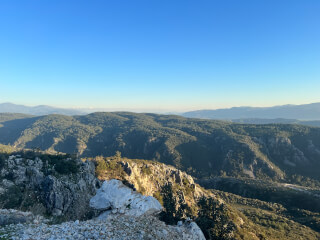
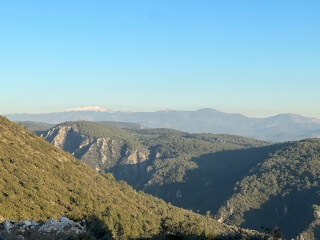
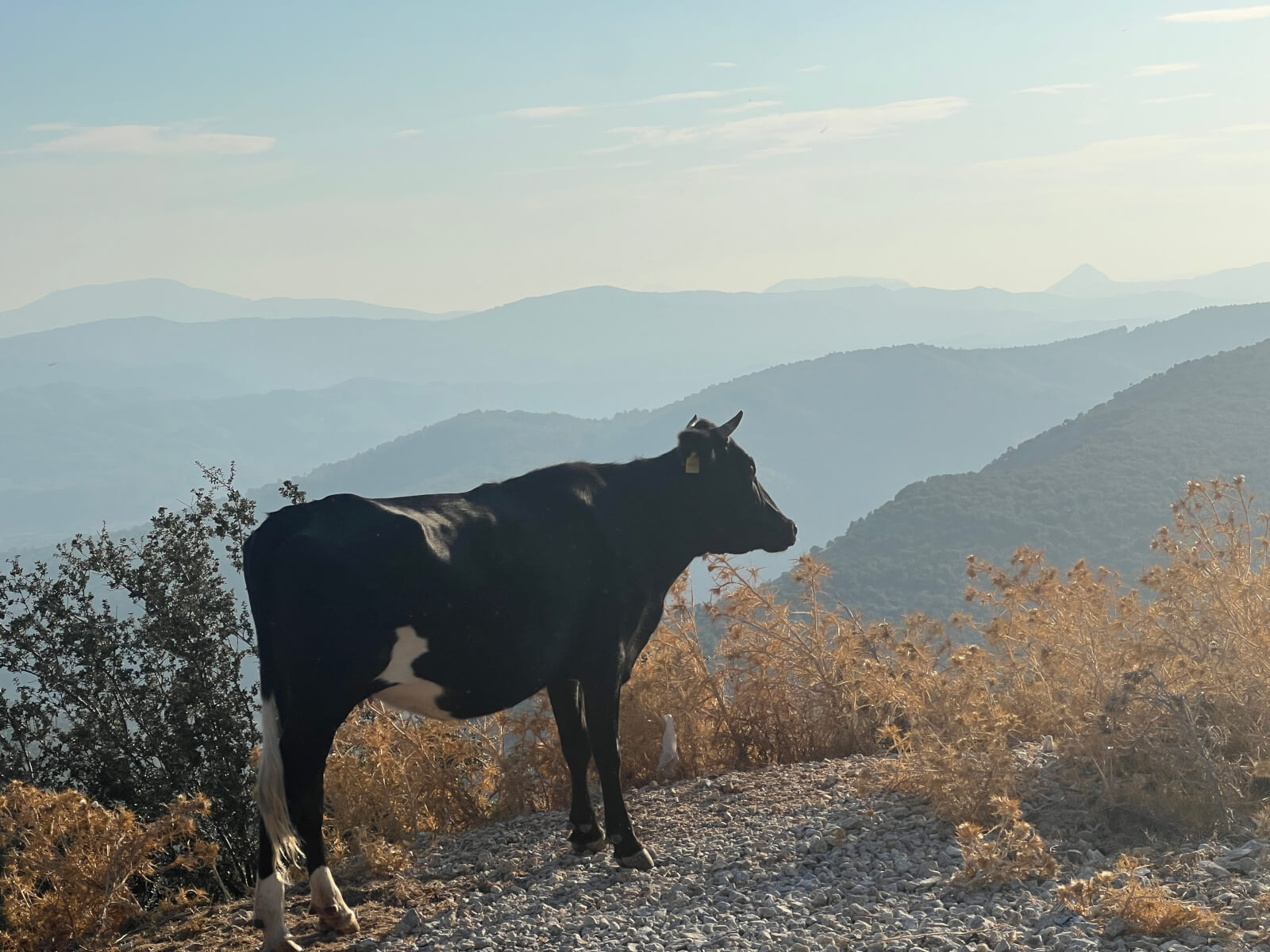
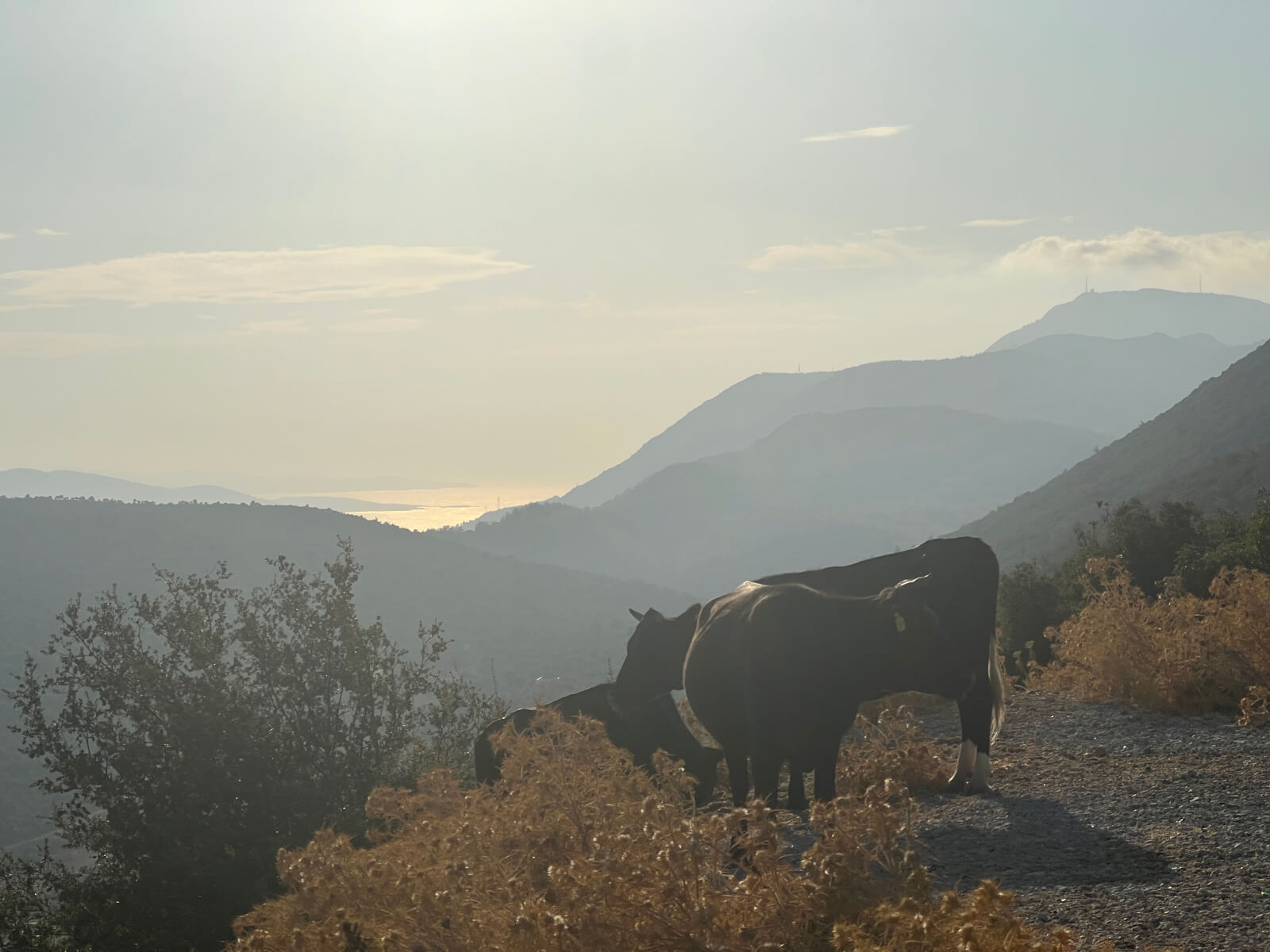
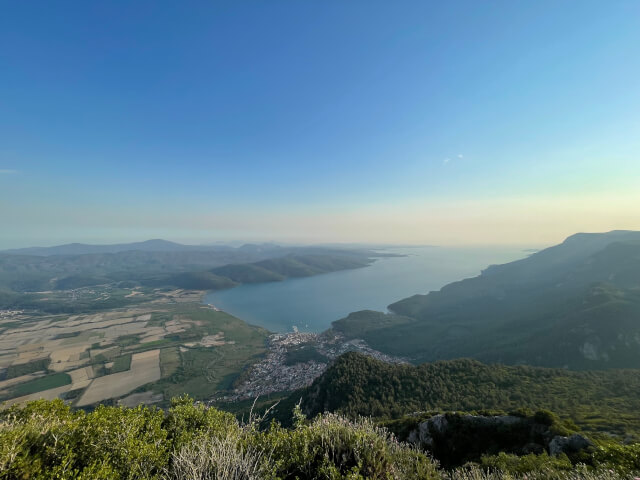
The road passes through the village of Gökova, where you can see ancient Carian tombs carved into the rock, and Yeşilova, where you need to turn left towards Ula. The serpentine rises from sea level to the Ula plateau, gaining almost 700–800 meters in height, with a series of steep hairpin turns and viewpoints. With each loop, wider views of Gökova Bay, the mouth of the Azmak River, and Akyaka open up — from above it seems like you are looking at a map.
The surface is a normal asphalt road, but it is already more winding than the new highway, with sharp turns and a noticeable slope, so it is worth driving without haste, especially if you are not used to mountain serpentine roads. As a reward — almost no cars and the feeling that you are ascending from the sea valley into the mountainous inner world of Muğla along the old "real" path.
This trip is well combined with a visit to Ula itself — the administrative center of the district to which Akyaka belongs. Ula is considered one of the most peaceful and authentic corners of the province, with no tourists at all.
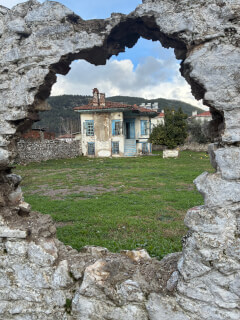
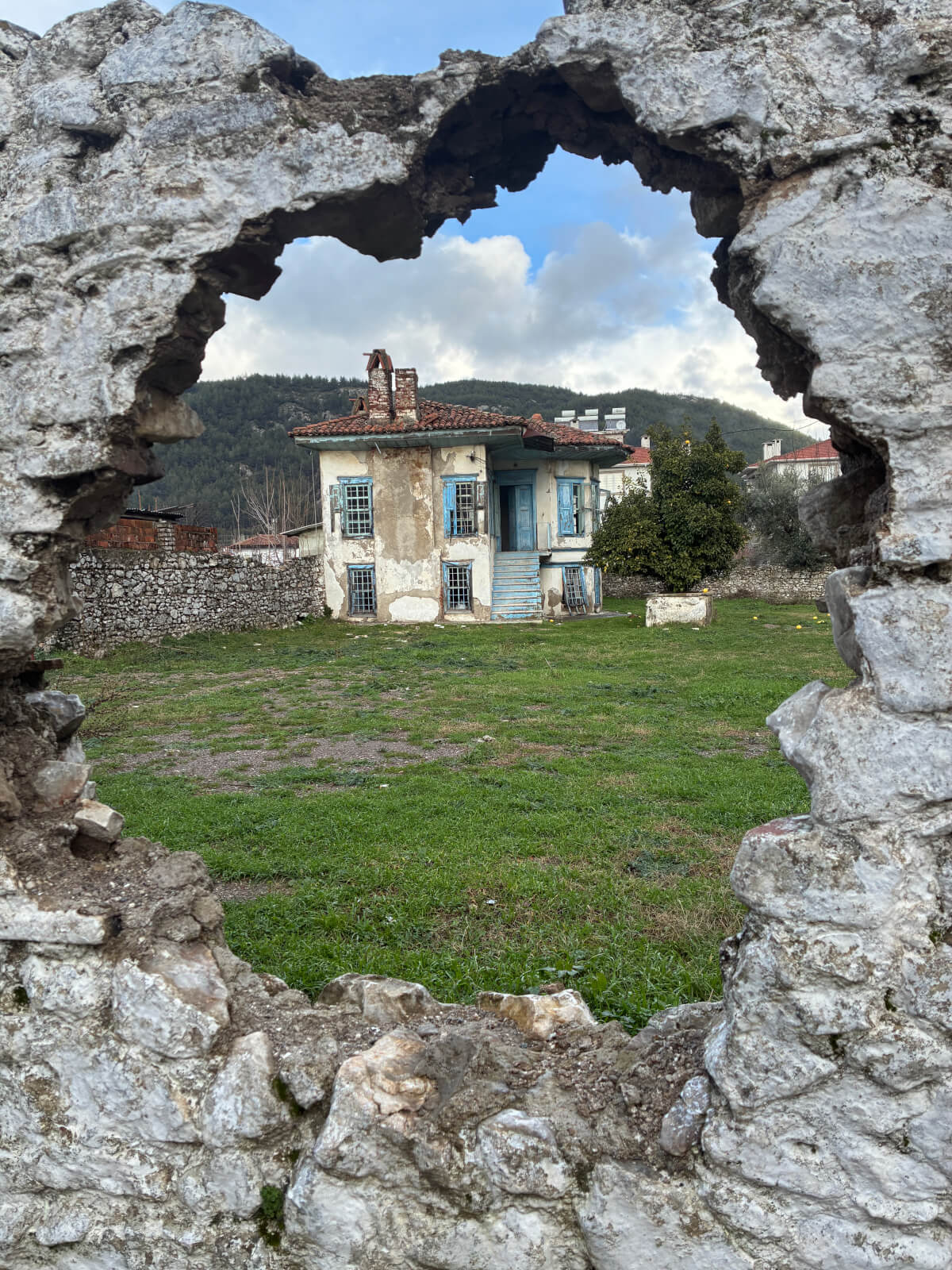
The town is known for its traditional houses: white walls, red tiled roofs, wooden bay windows, and carved ceilings, one or two stories high, and a mandatory garden. There are more than two hundred such historical houses here, most of them from the early 20th century. Here you can also find the abandoned house of Nail Çakırhan — the author of Akyaka's authentic architecture. Ula is also called the city of bicycles — according to local sources, there are thousands of them, and residents actually ride them everywhere.

Nearby
Nature
Road to Ula
Road to Ula
Road to Ula
Road to Ula
Road to Ula
Road to Ula
Road to Ula
Road to Ula
Road to Ula
Road to Ula
Road to Ula
Road to Ula
Road to Ula
Road to Ula

Old deserted serpentine

15 km from Akyaka

show on map

See other places

05 img img FAQ
When is the tourist season in Akyaka?
The season lasts from late April to late October. The high season is July-August: hot and crowded. The most comfortable months are May-June and September-October: warm sea, fewer people, lower accommodation prices.
What is Azmak?
Azmak is a short but very photogenic river with icy crystal clear water, the main natural attraction of Akyaka. Short boat tours run along the river, and fish restaurants operate on the shore. A large flock of geese, favorites of both locals and visitors, also lives here.
What are the conditions for kitesurfing?
At the kite beach of Akyaka, from May to October, a stable thermal wind of 14-20 knots blows. The shallow water with a sandy bottom, without waves, tides, and currents — the spot is ideal for both beginners and progress.
What does 'slow city' mean?
Akyaka has been part of the international Cittaslow network since 2011. This means a ban on high-rise buildings, a unified architectural style, the absence of chain restaurants and large all-inclusive hotels, and support for local businesses, cuisine, and crafts.
Are the beaches paid?
The city beach and most of the coastline in the center are free; you can come with your own towel. There is a paid entrance to the equipped kite beach. Some hotels and restaurants on the shore have their own beach areas with paid sunbeds, but this is not mandatory.
view all