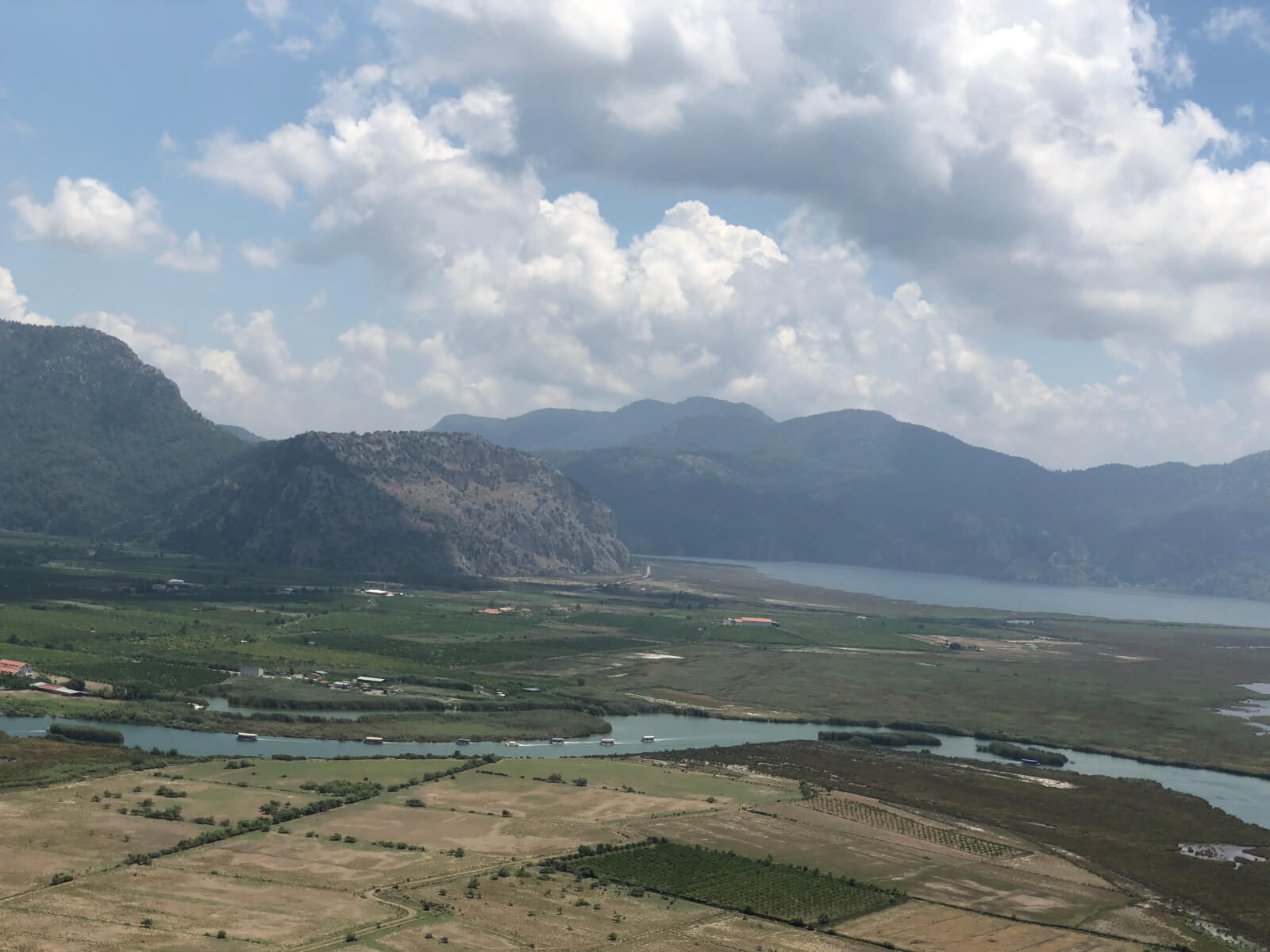
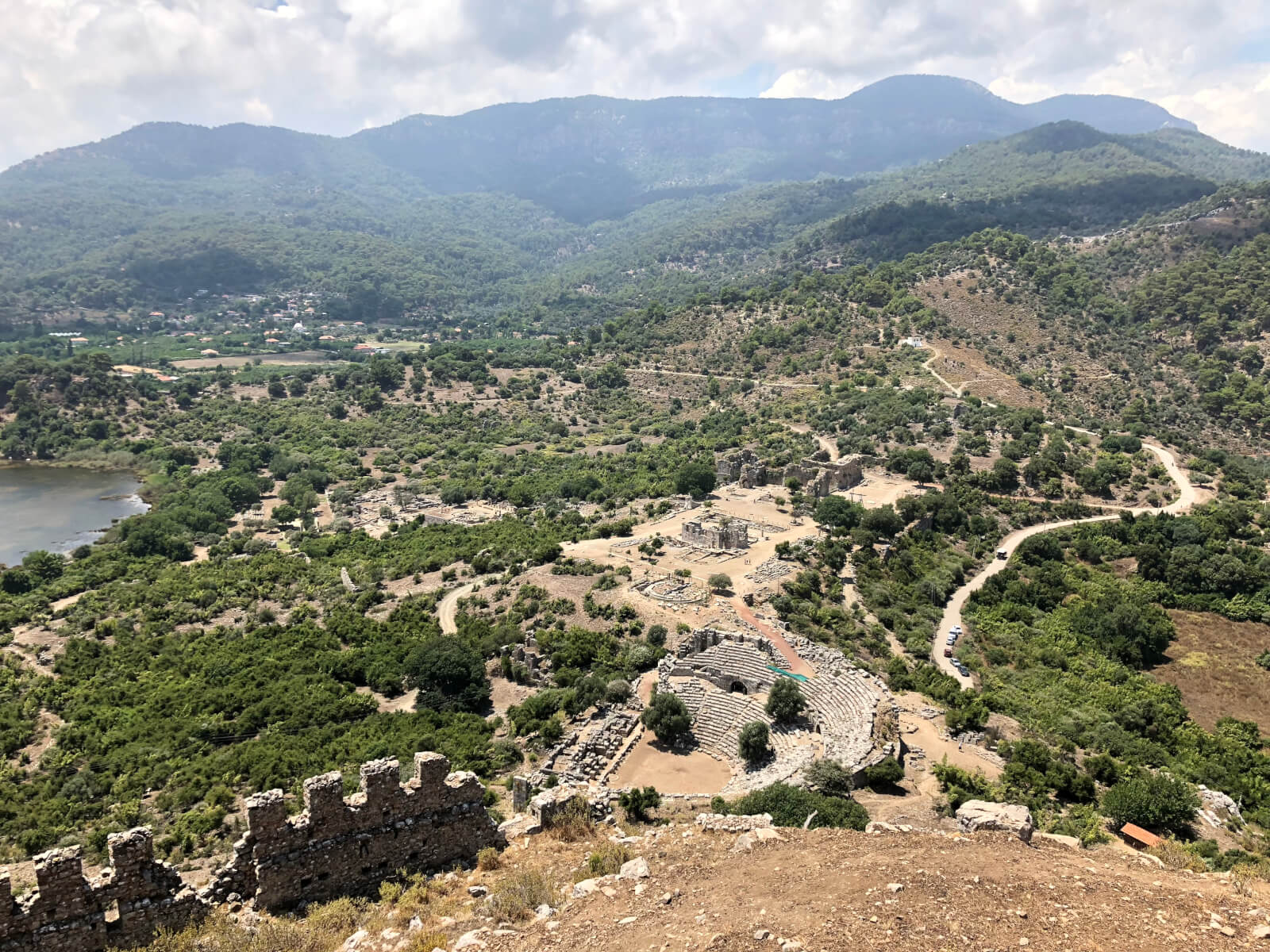
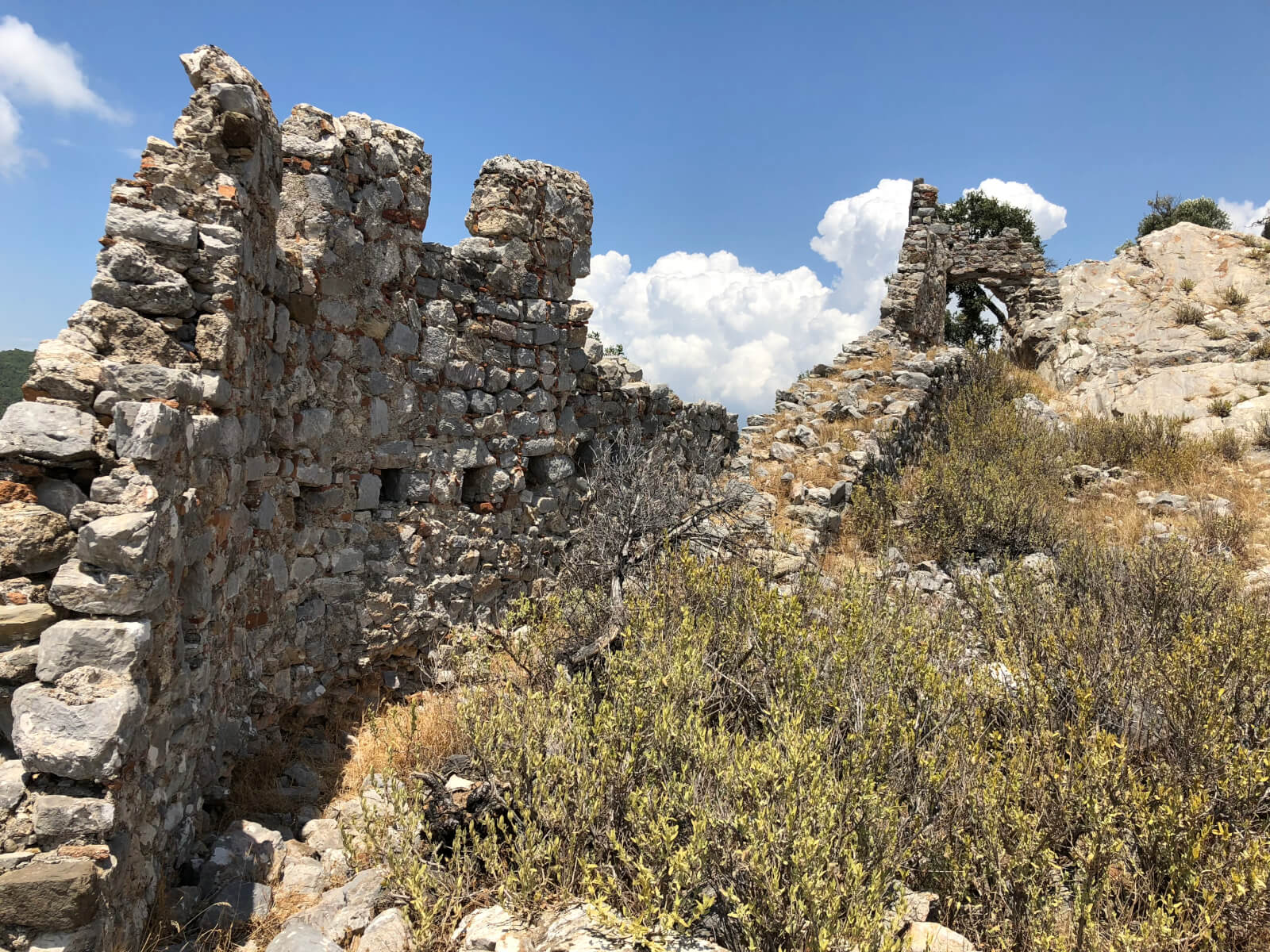
The ancient city of Kaunos, located within the village of Çandır, directly opposite the center of
Dalyan, has been on the UNESCO World Heritage
Temporary List since 2014. This powerful state, which even minted its own coins at one time, has a history that dates back to the 10th century BC. According to Herodotus, the Kaunians were one of the ancient peoples of Caria but considered themselves Cretans. The geographer Strabo emphasized the importance of Kaunos, mentioning a shipyard and a harbor with a closing entrance.
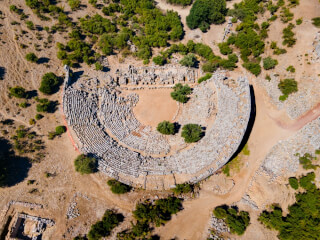
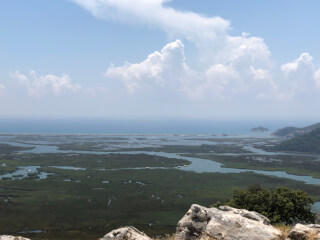
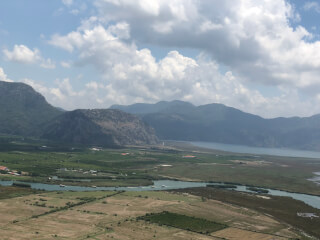
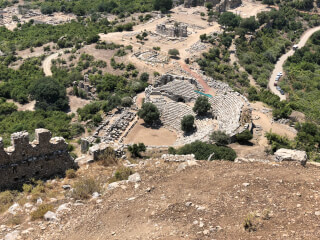
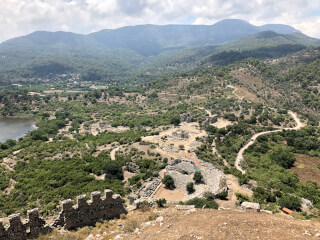
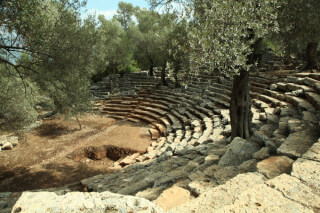
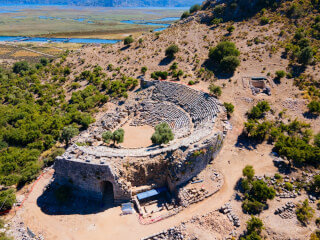
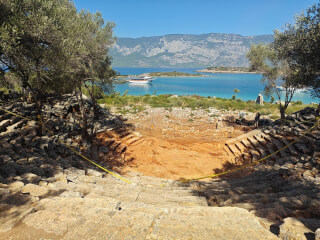
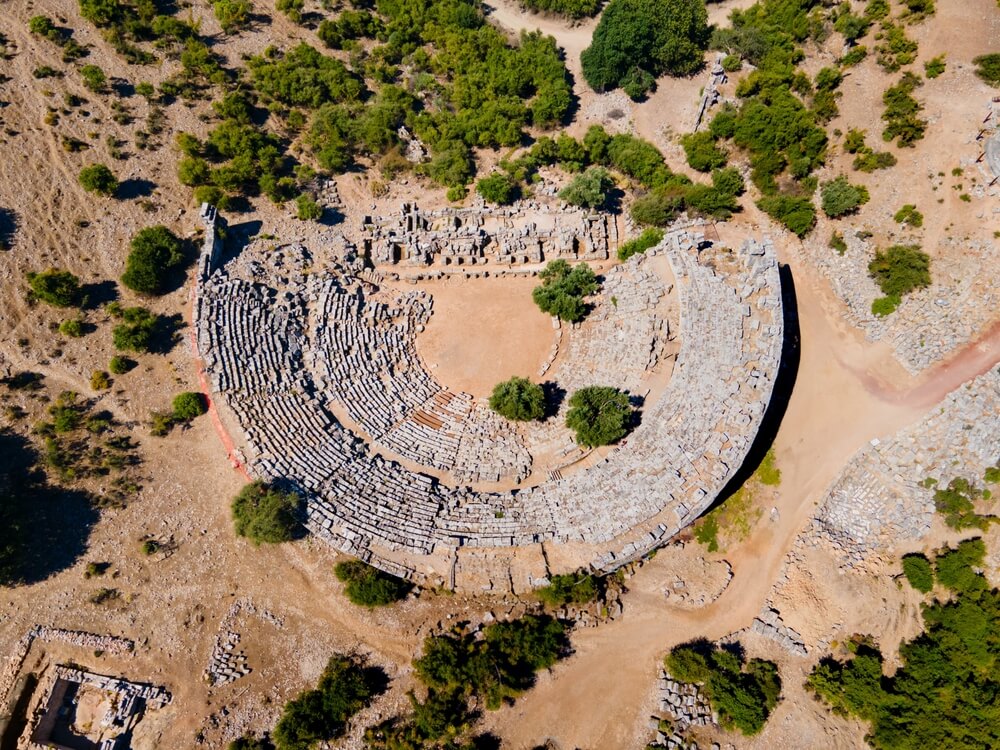
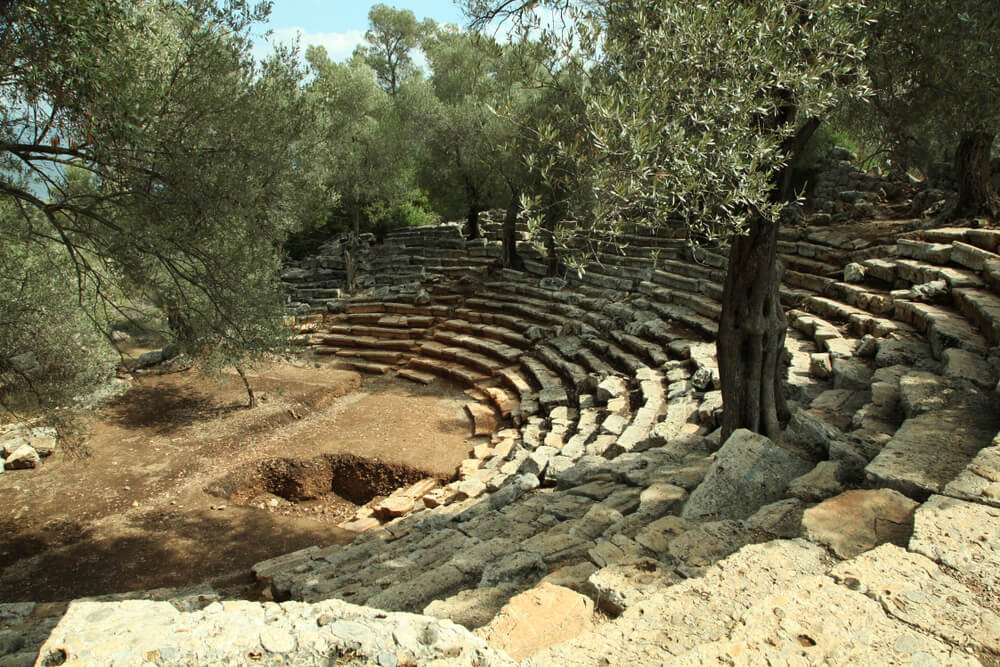
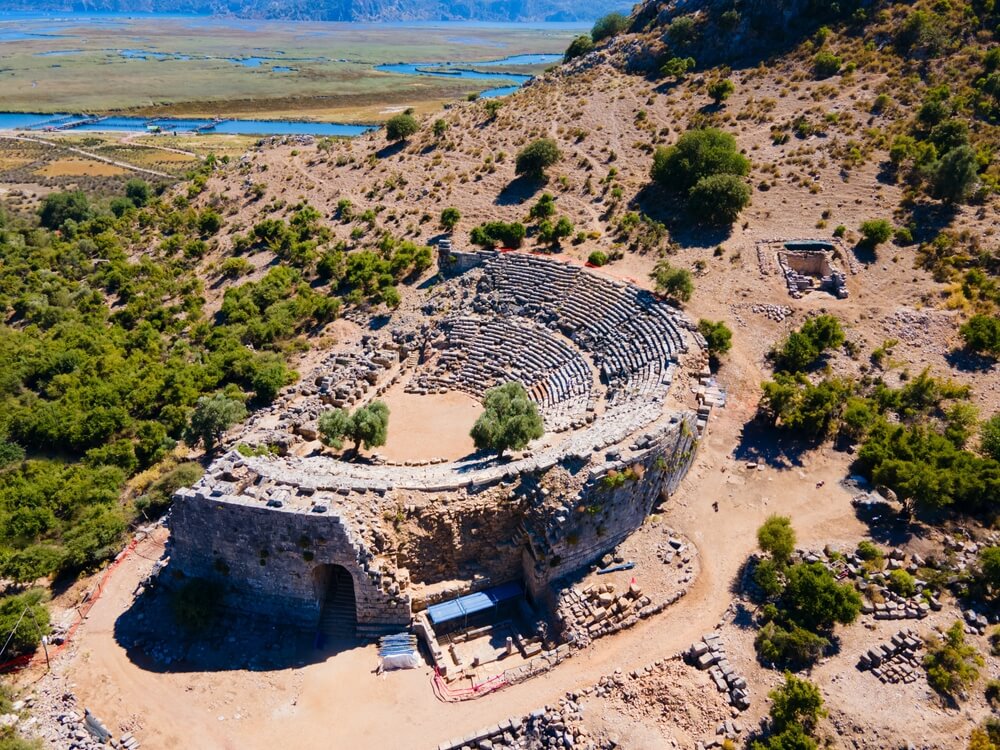
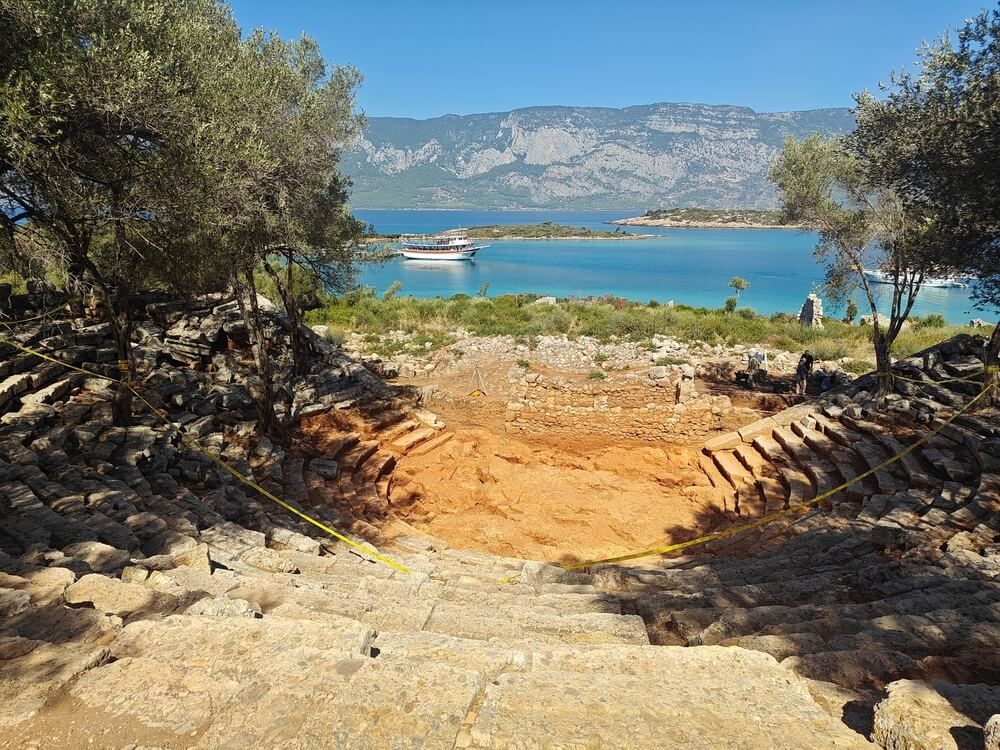
The port of this city, one of the most important port centers of the Mediterranean, was located under the acropolis — in a place now called Sülüklü-Göl. Over time, it became silted up, the entrance to the port was blocked, and Kaunos lost its former significance. In those times, the sea reached the acropolis of Kaunos, whereas today it is located on a hill 152 meters above sea level. The city has preserved a theater with 33 rows of seats, a basilica, Roman baths, and the ruins of a temple.
The goddess of abundance and fertility, Demeter, held an important place in the religious life of Kaunos, and in her honor, a three-day "Festival of Fertility" was held annually, in which only women participated.
After the complete conquest of Anatolia by Persia, the city came under the control of Mausolus. In 334 BC, after the victory of Alexander the Great over the Persians, Kaunos was successively governed by Princess Ada, then Antigonus, and later the Ptolemies. The city was under the rule of the Kingdom of Rhodes, the Kingdom of Pergamon, and the Roman Empire. With the silting of the port, the region began to lose its significance.
The most remarkable structures of the ancient city are the majestic
rock tombs carved into the southern slopes of Mount Balıklar. These tombs, with temple facades unmatched in craftsmanship and style in other ancient cities, differ from the architecture of rock tombs in the regions of Urartu, Phrygia, and Lycia and reflect the facade architecture of Hellenistic temples. The secret of these tombs, which have preserved their splendor for 2400 years and are located high above the ancient settlements, lies in the ancient belief:
“the higher you are, the closer to God”.


 FAQ
FAQ