🇹🇷Türkçe 🇬🇧English 🇷🇺Русский
go back

Yoga

In Akyaka you can do more than relax by the sea — you can also practise yoga. Classes are led by Emely Freja, a teacher from Denmark who has lived in Akyaka since 2019.
Emely has more than 10 years of teaching experience and is a Yoga Alliance certified teacher with 550 hours of training in total: Hatha, Vinyasa, Ashtanga and Yin Yoga with a focus on the meridians.
Her teaching style is professional, warm and inclusive: Emely draws on traditional Indian yoga and keeps the practice varied. Besides asanas, classes include pranayama, meditation and yoga nidra.
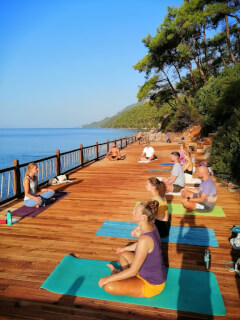
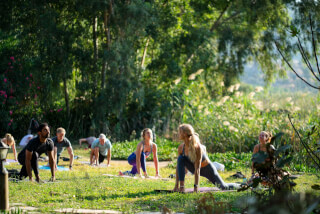
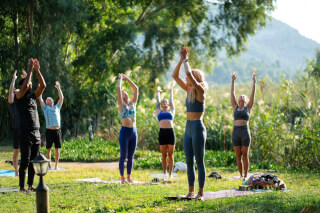
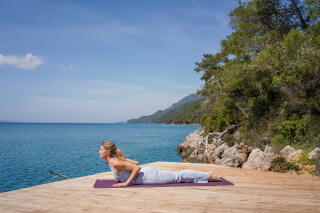
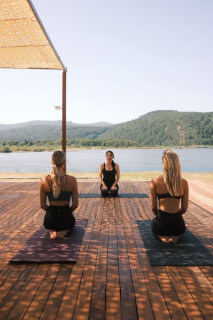
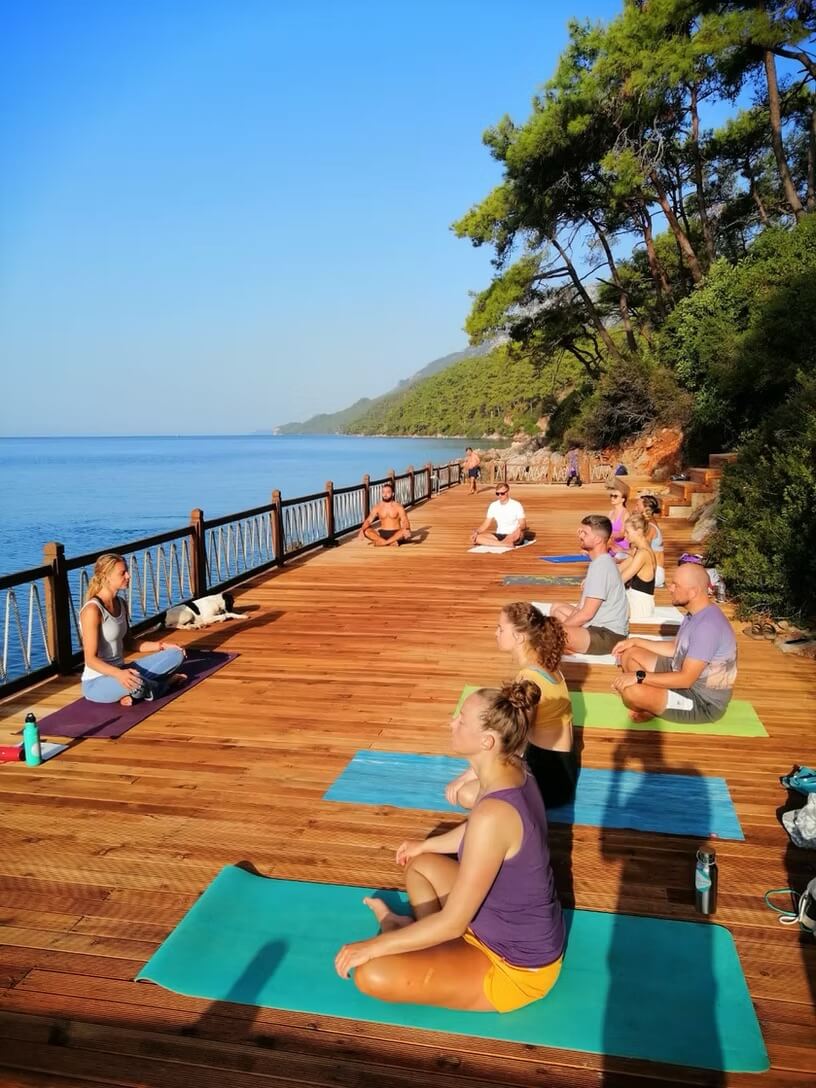
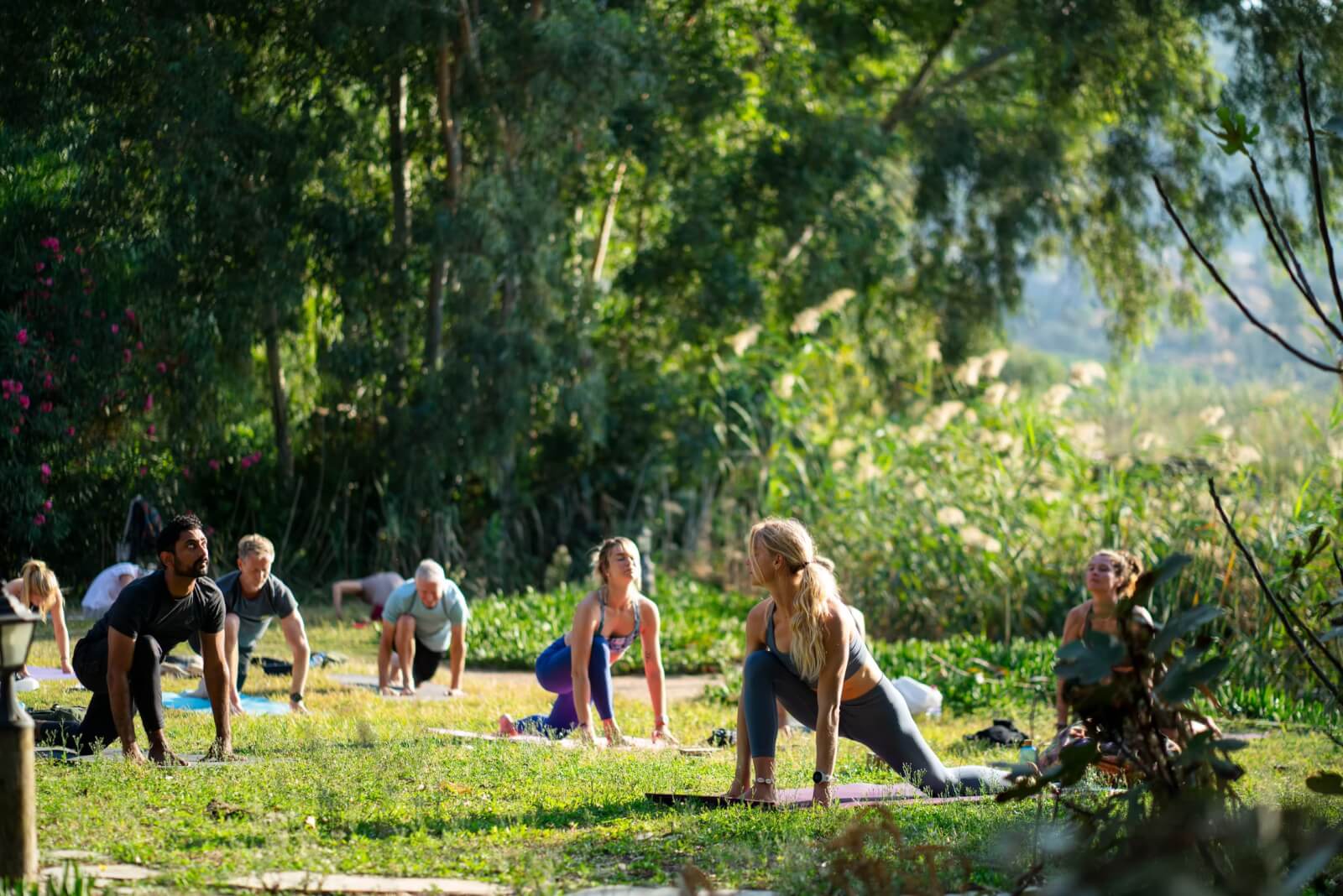
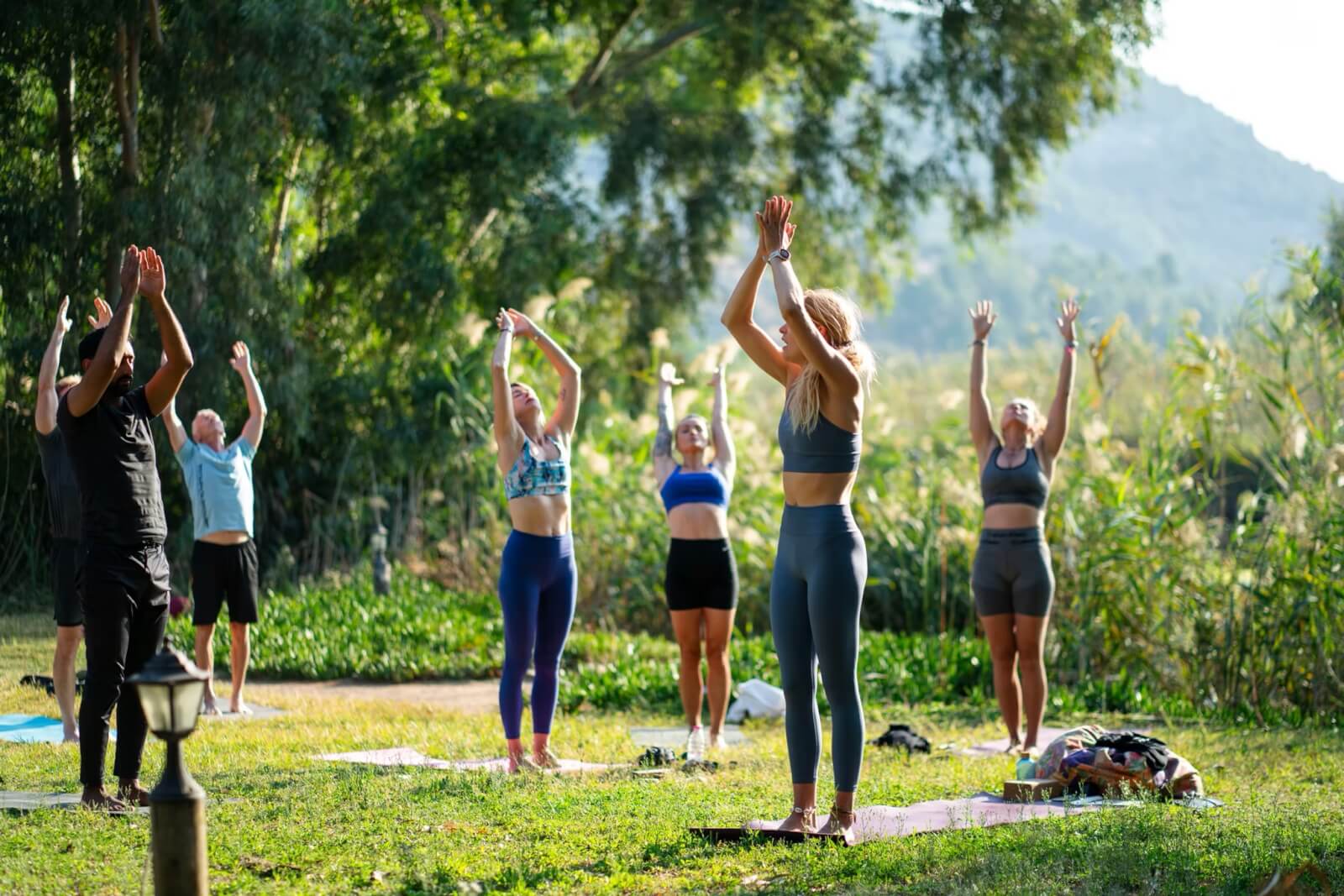
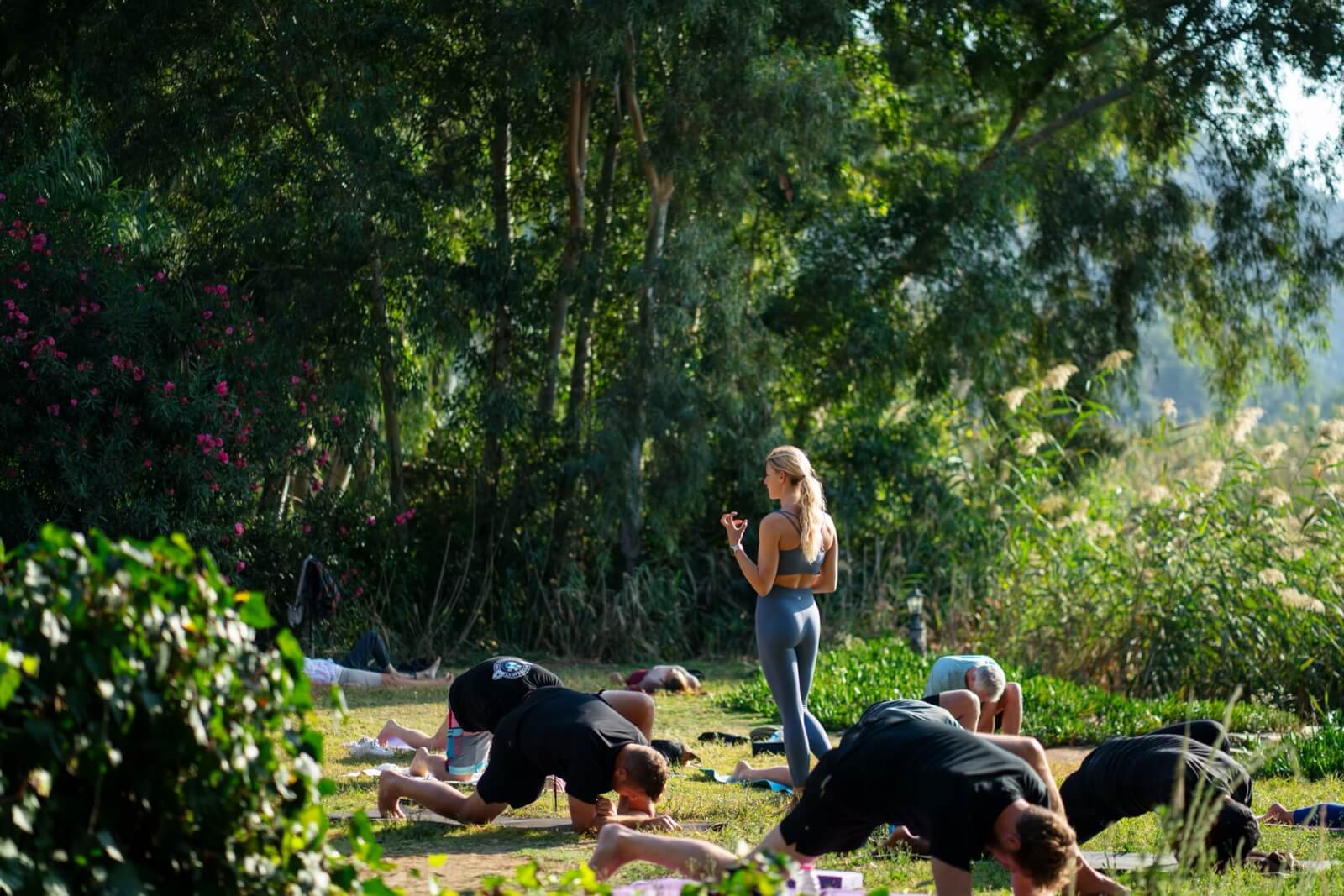
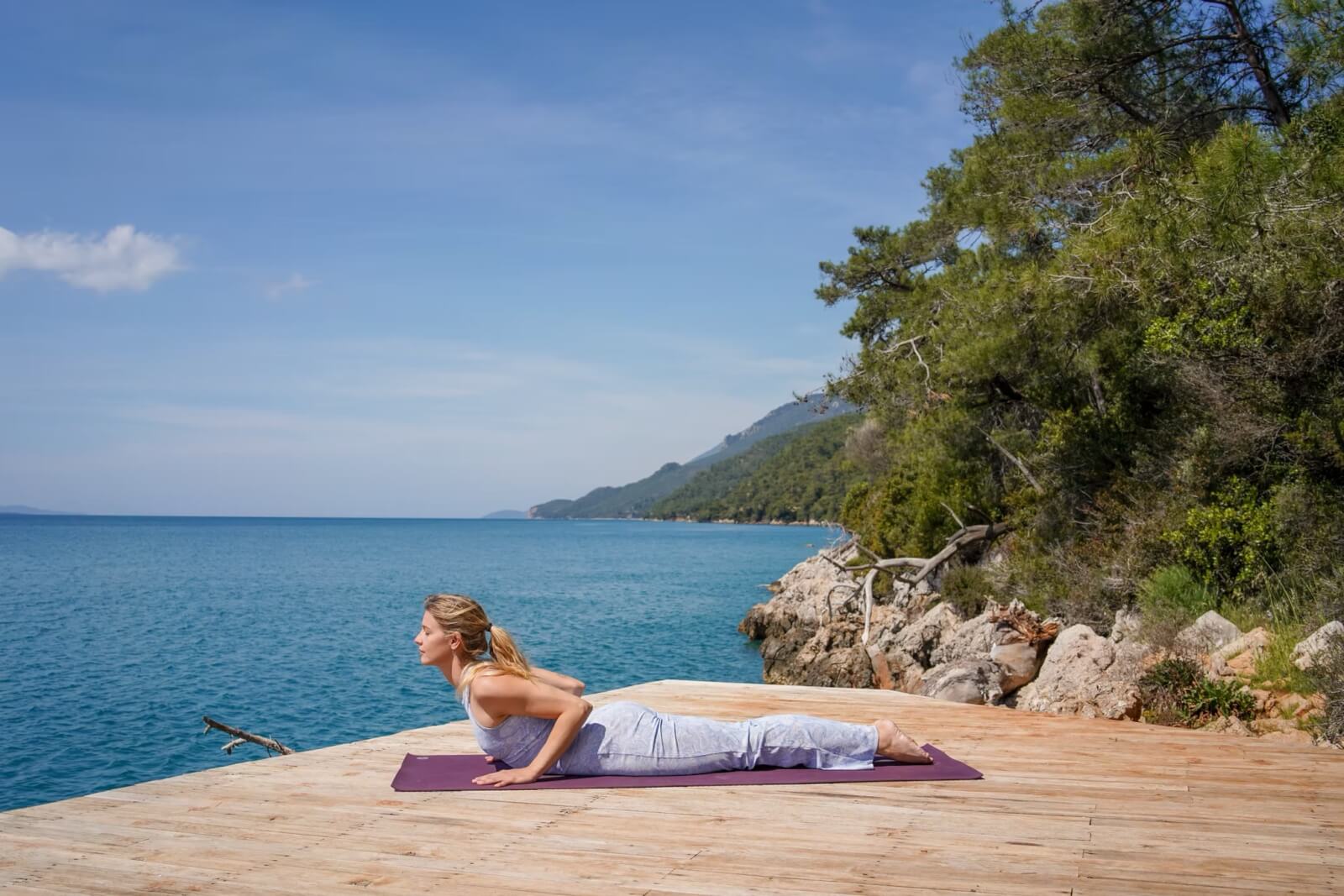
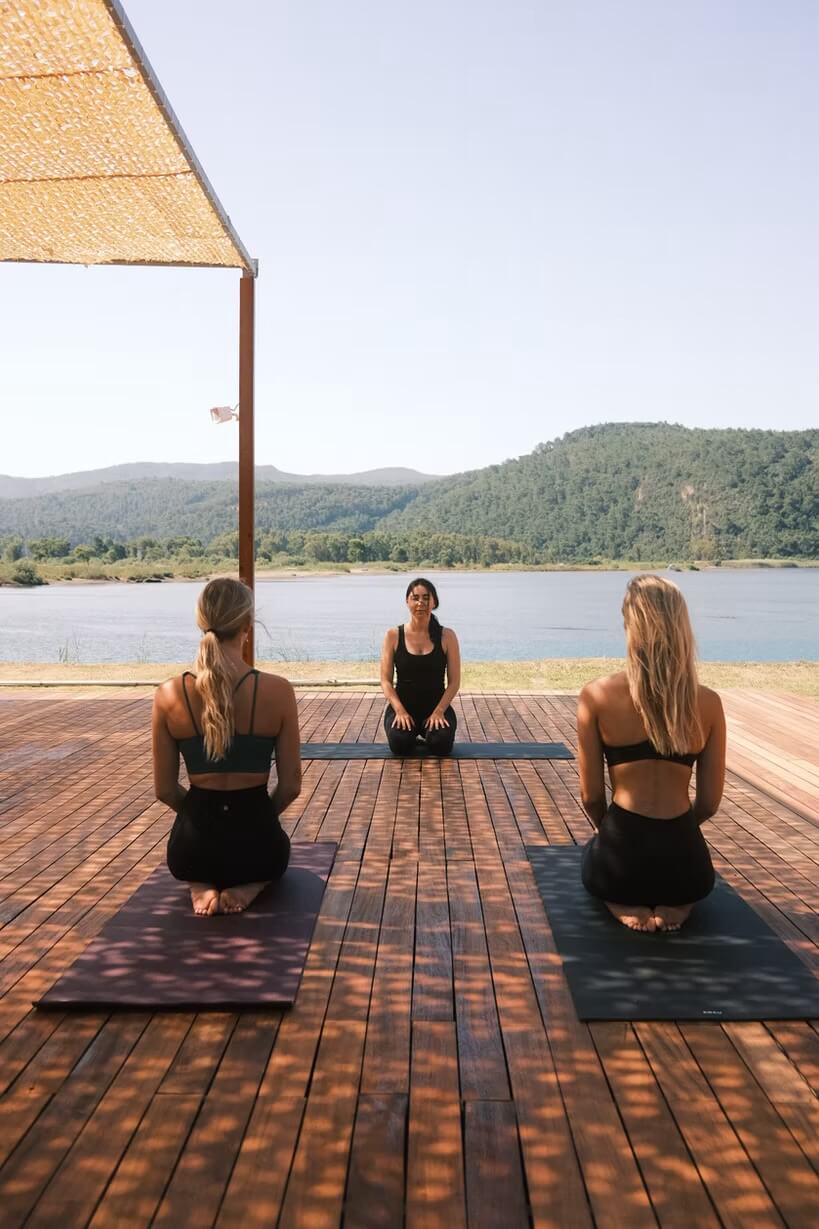
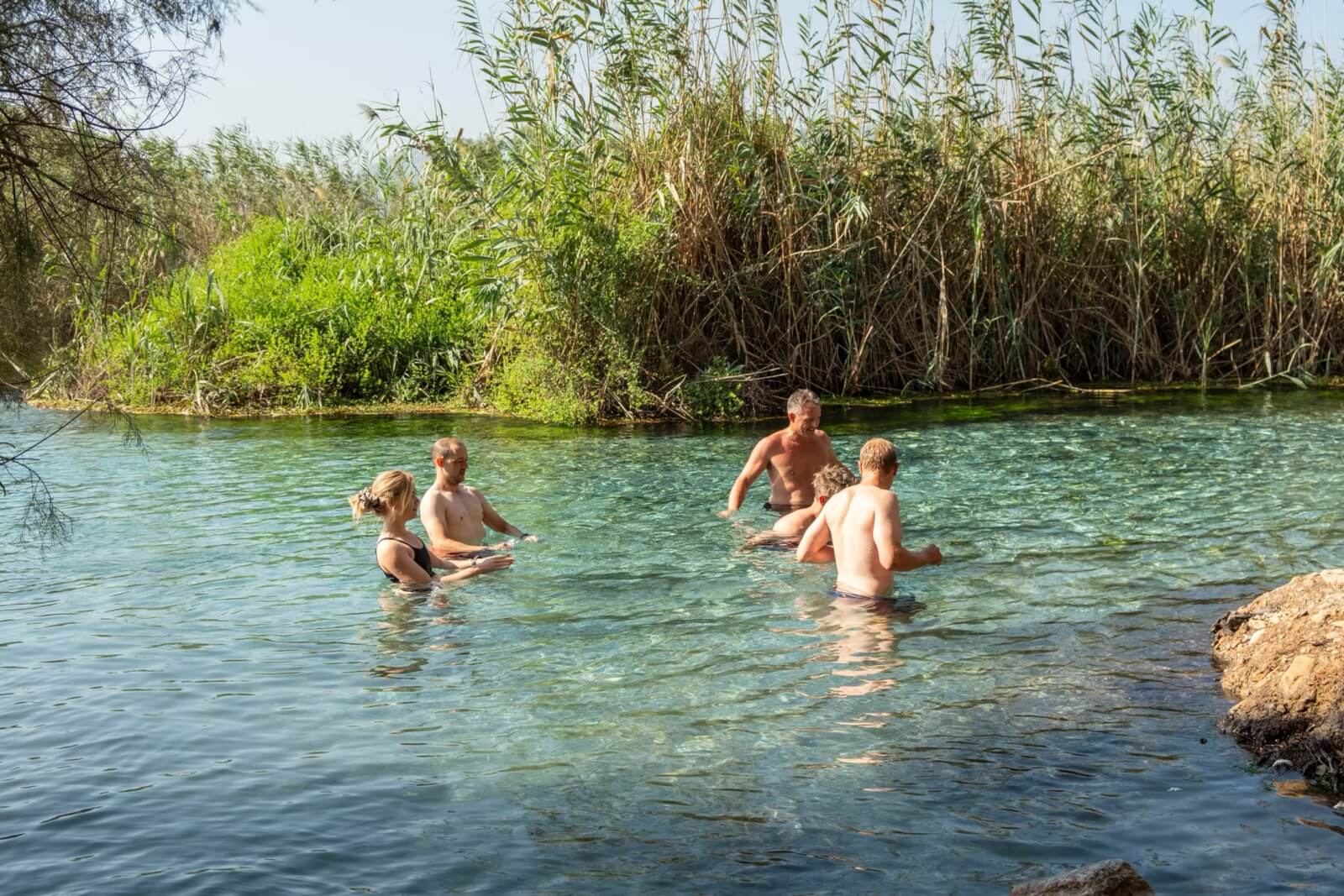
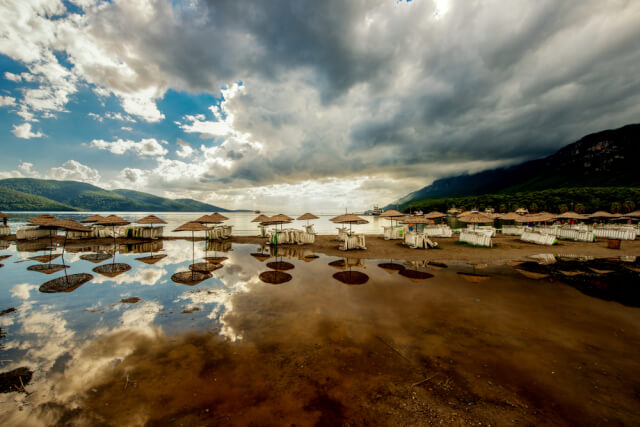
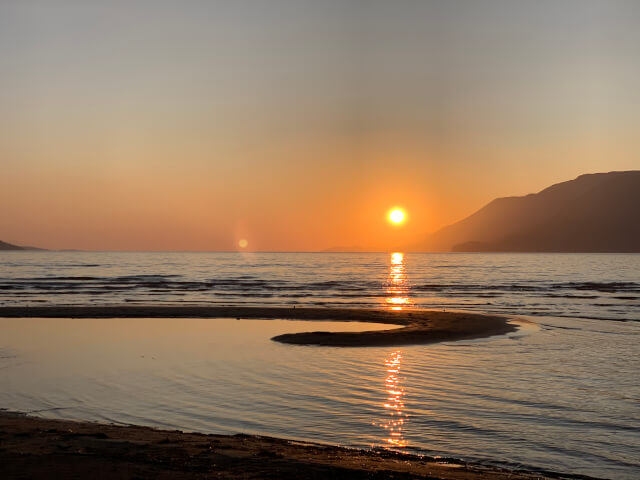
What makes yoga in Akyaka special is practising outdoors. Morning classes take place on the bank of the crystal-clear Azmak river, evening classes by the sea, in a cosy village yoga shala or at a sunset spot overlooking the whole Gulf of Gökova.
Classes are taught in English. All levels are welcome, but be prepared: this is not gentle yoga, it is a full practice.

In town
Nature
Health
Sport
Yoga
Yoga
Yoga
Yoga
Yoga
Yoga
Yoga
Yoga
Yoga
Yoga
Yoga
Yoga
Yoga
Yoga

Practice by the river and the sea

See other places

05 img img FAQ
When is the tourist season in Akyaka?
The season lasts from late April to late October. The high season is July-August: hot and crowded. The most comfortable months are May-June and September-October: warm sea, fewer people, lower accommodation prices.
What is Azmak?
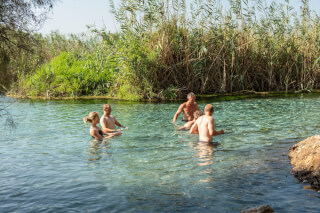
Azmak is a short but very photogenic river with icy crystal clear water, the main natural attraction of Akyaka. Short boat tours run along the river, and fish restaurants operate on the shore. A large flock of geese, favorites of both locals and visitors, also lives here.
What are the conditions for kitesurfing?
At the kite beach of Akyaka, from May to October, a stable thermal wind of 14-20 knots blows. The shallow water with a sandy bottom, without waves, tides, and currents — the spot is ideal for both beginners and progress.
What does 'slow city' mean?
Akyaka has been part of the international Cittaslow network since 2011. This means a ban on high-rise buildings, a unified architectural style, the absence of chain restaurants and large all-inclusive hotels, and support for local businesses, cuisine, and crafts.
Are the beaches paid?
The city beach and most of the coastline in the center are free; you can come with your own towel. There is a paid entrance to the equipped kite beach. Some hotels and restaurants on the shore have their own beach areas with paid sunbeds, but this is not mandatory.
view all