go back
Architecture of Akyaka
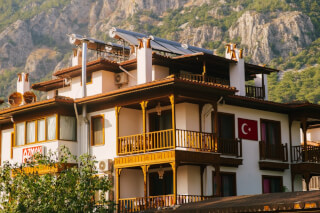
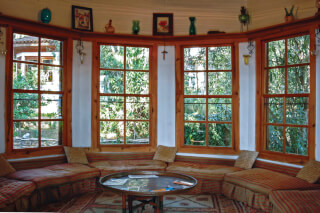
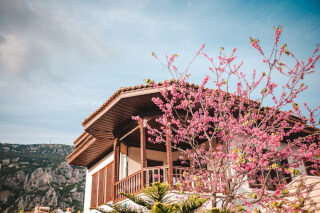
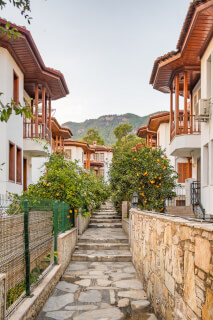
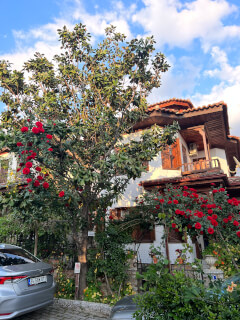
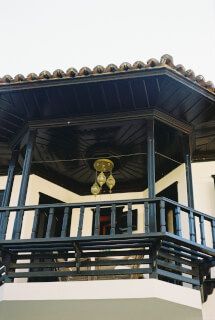
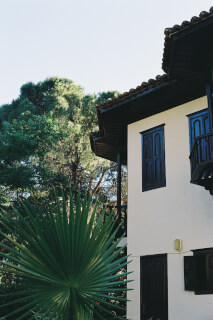
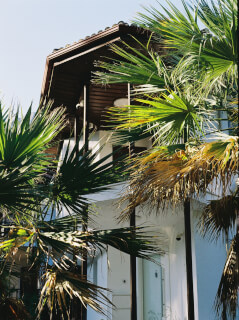
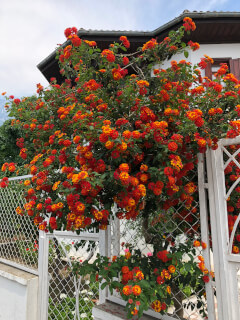
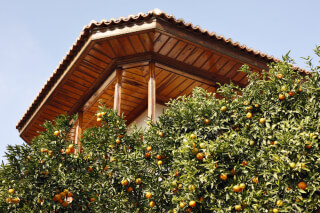
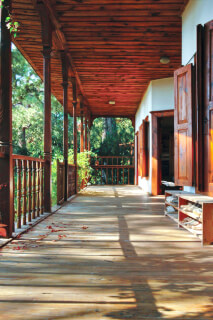
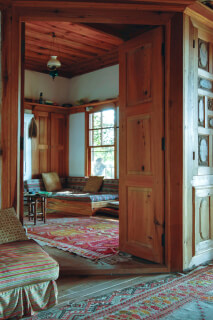
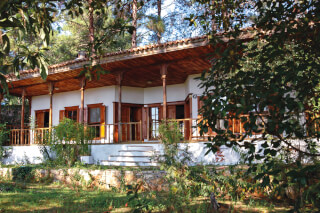
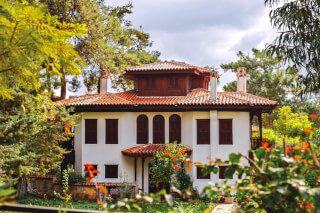
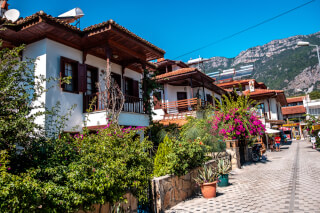
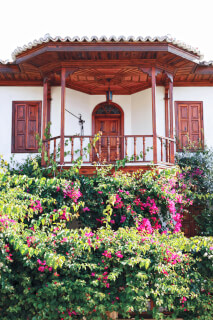
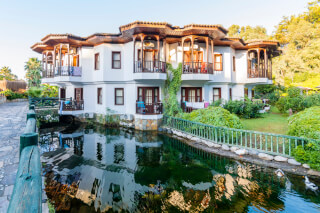
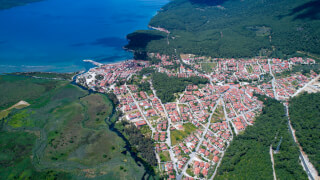
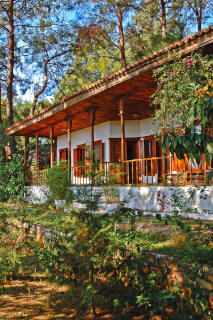
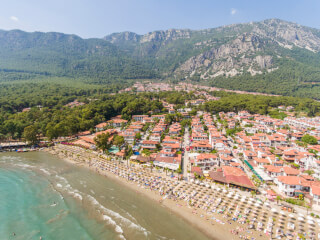
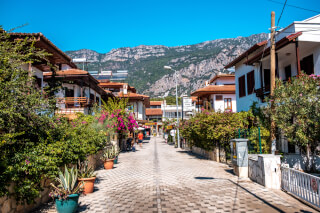
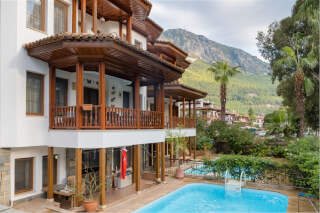
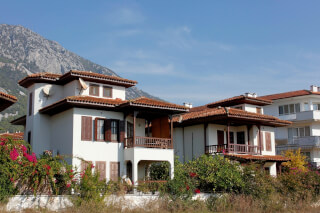
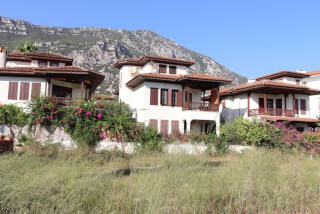
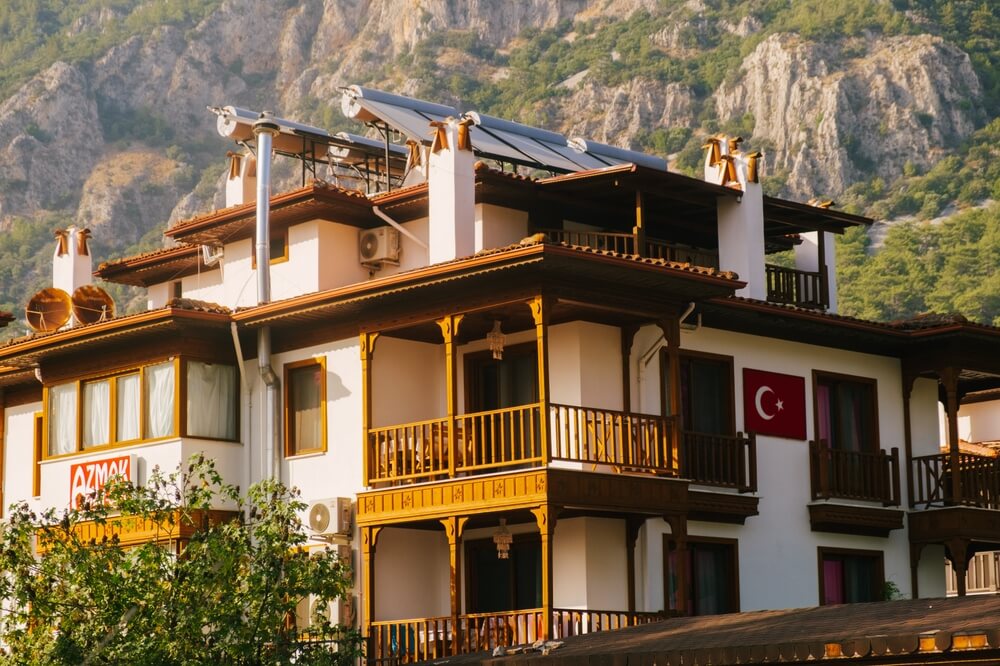
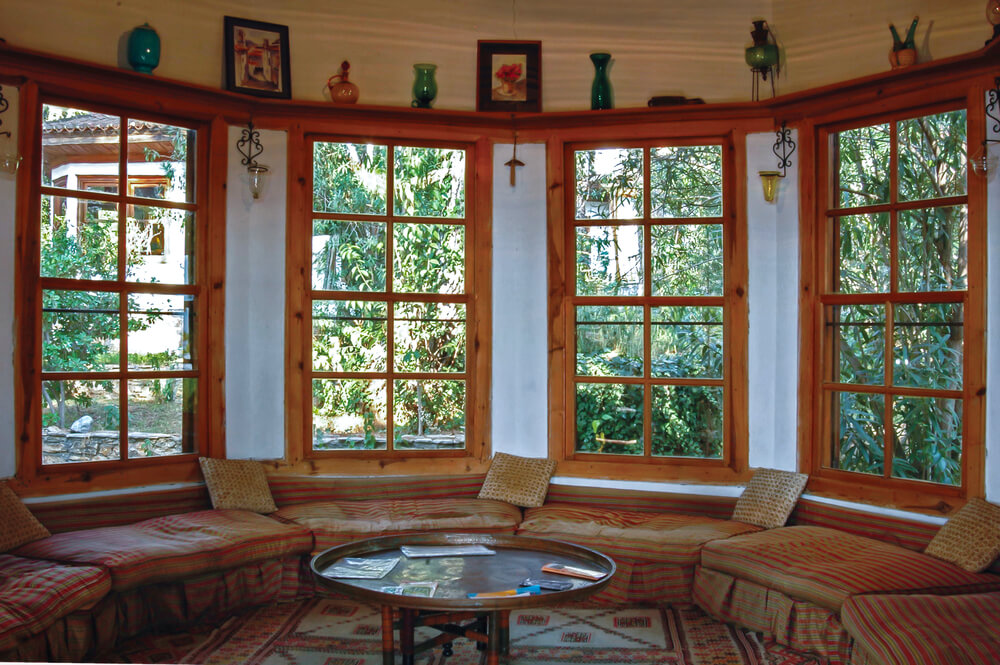
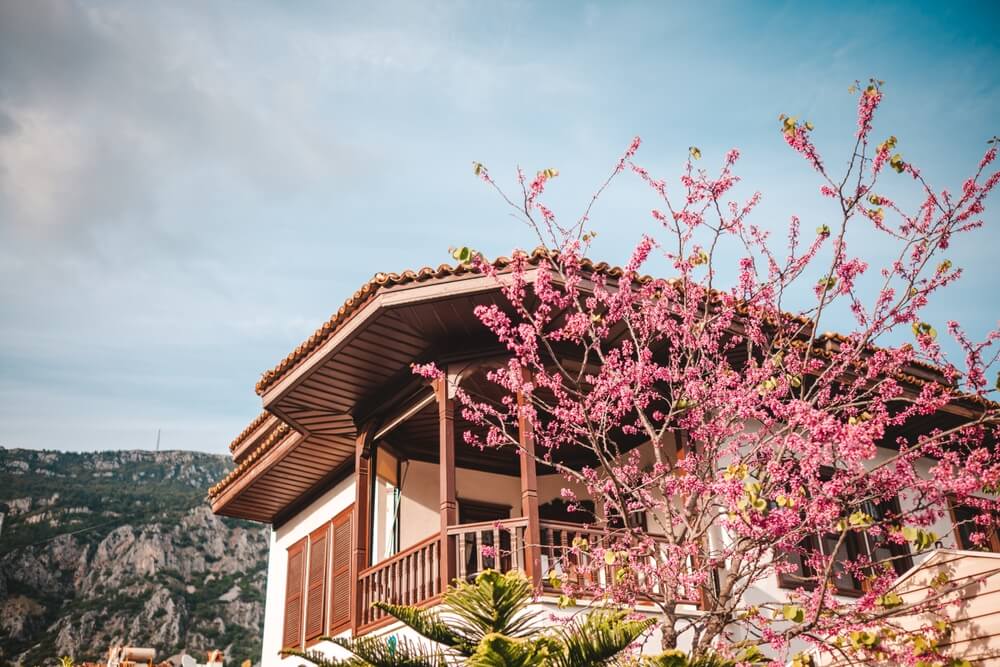
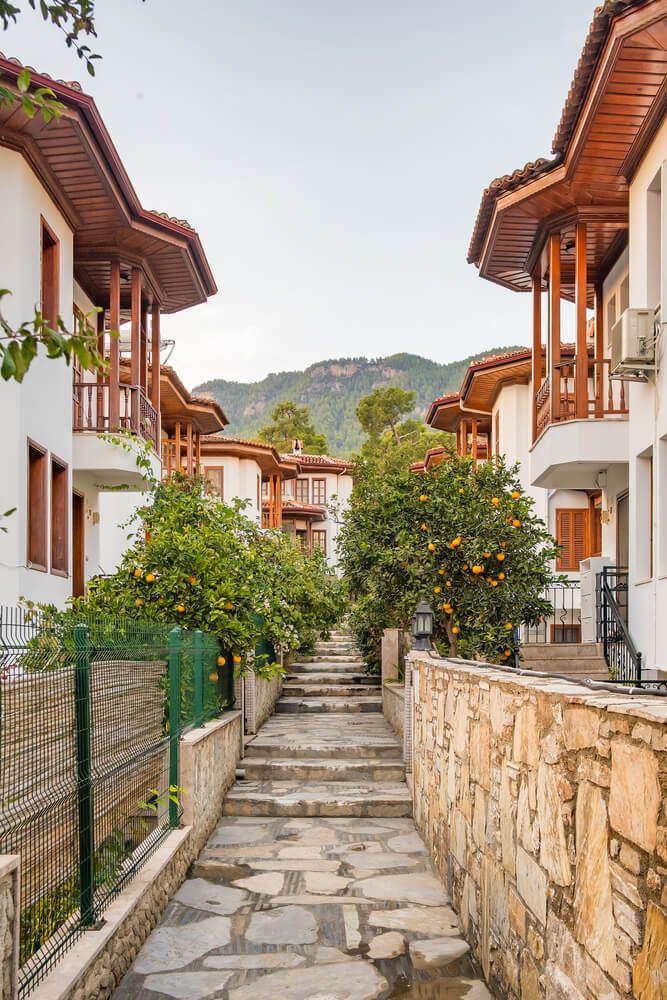
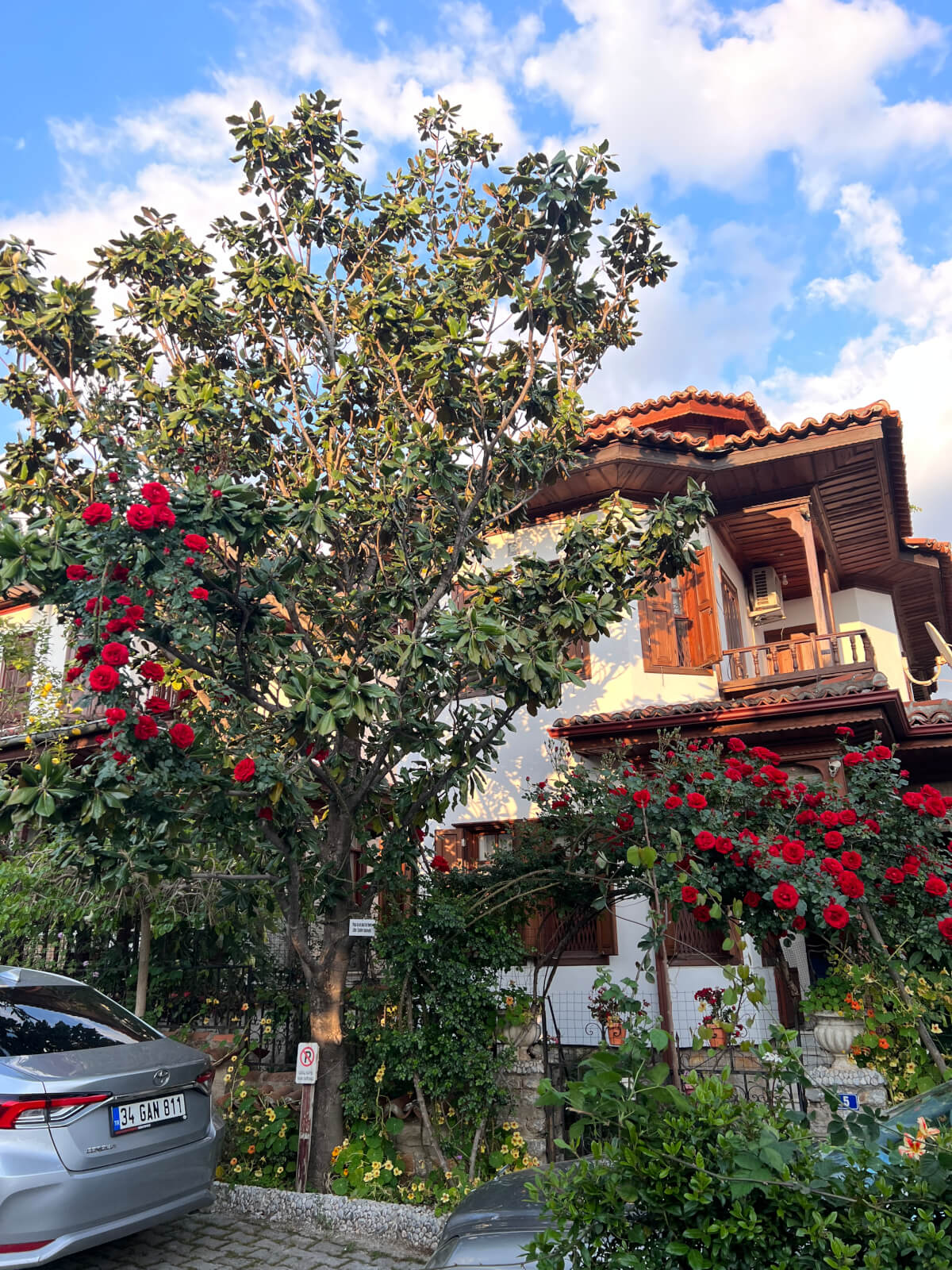
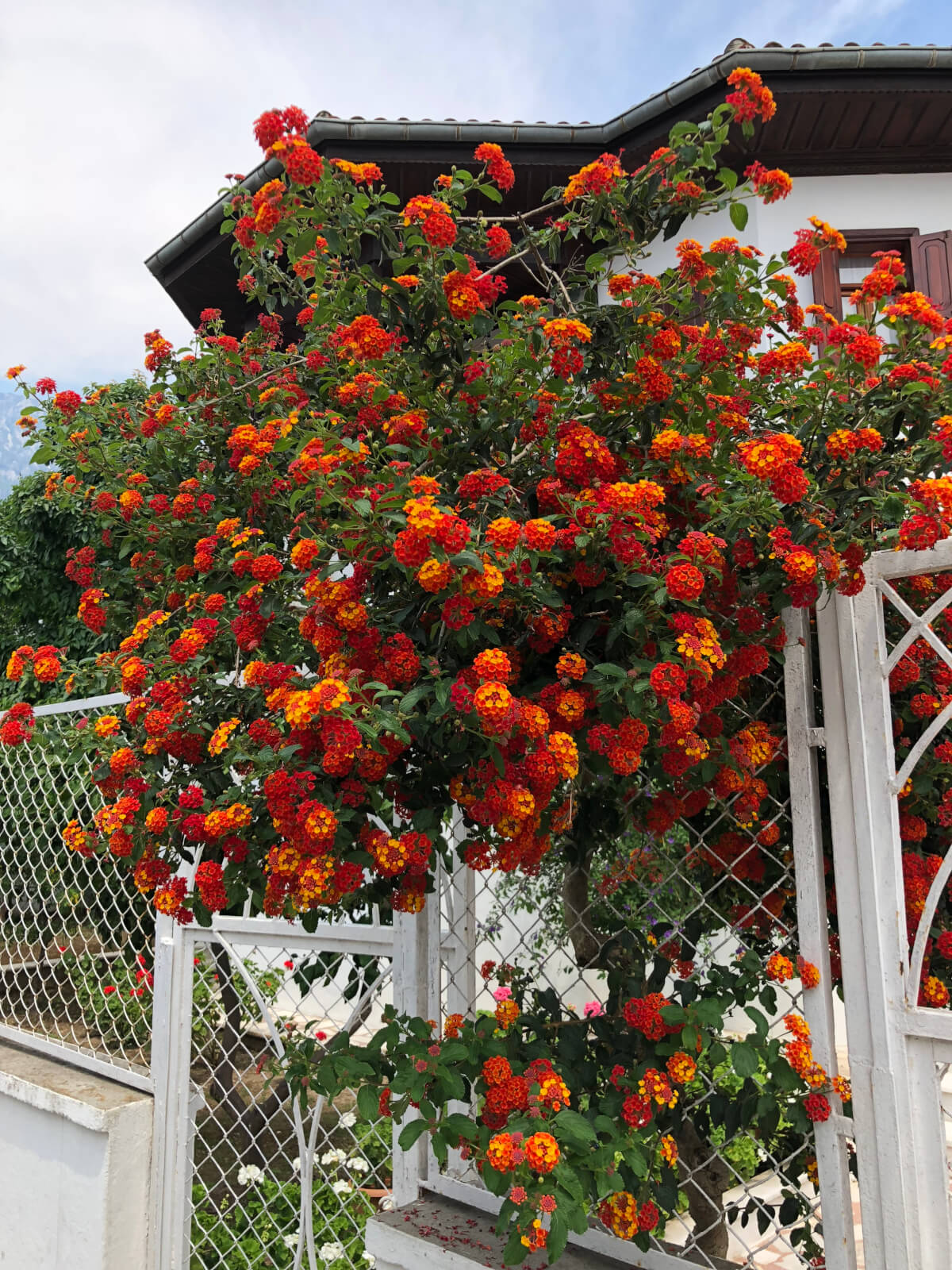
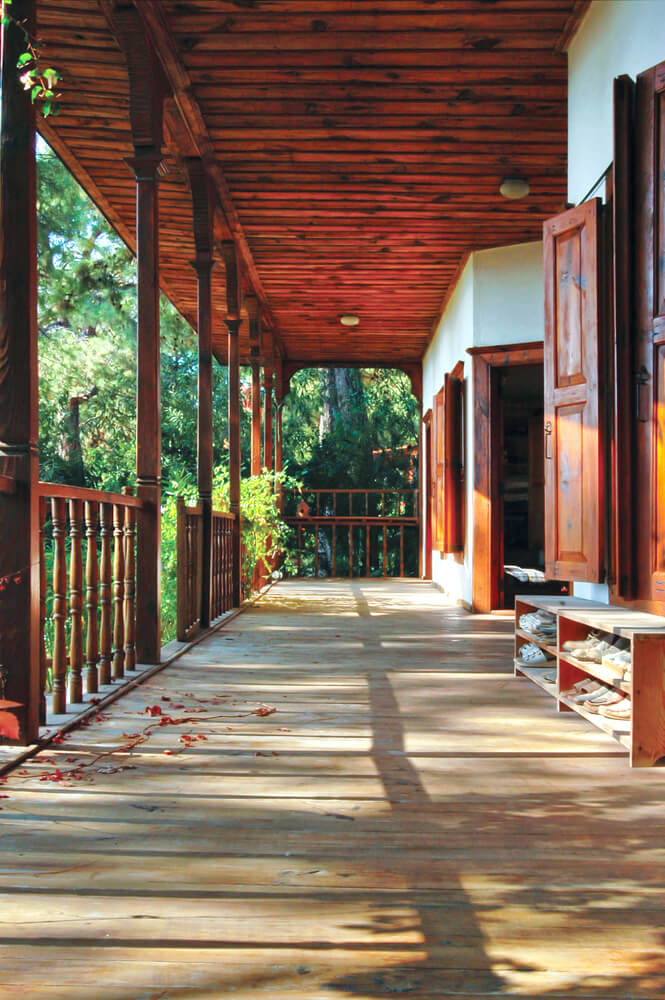
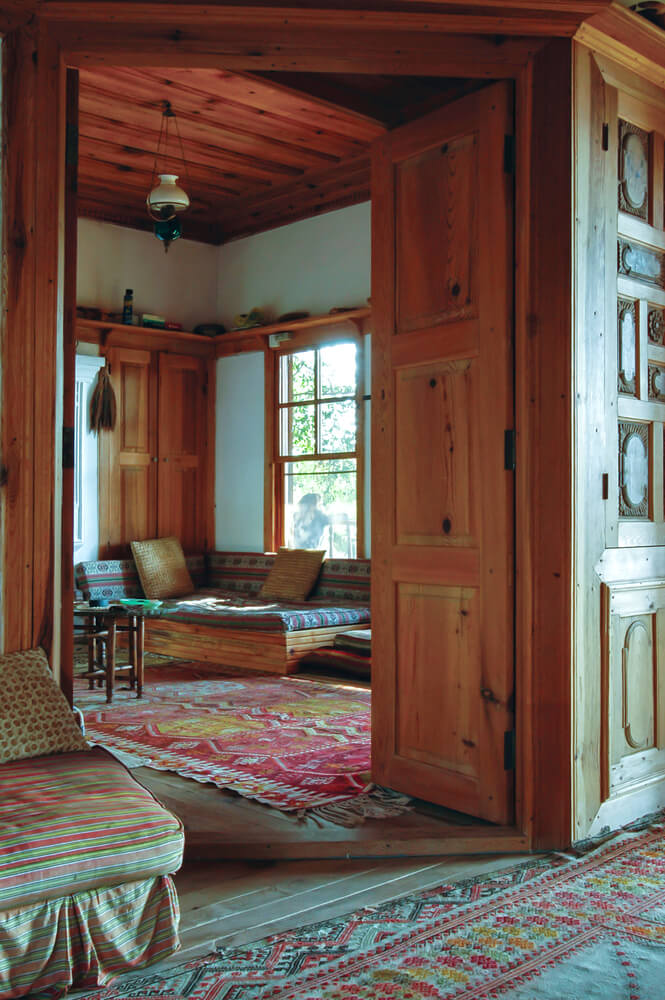
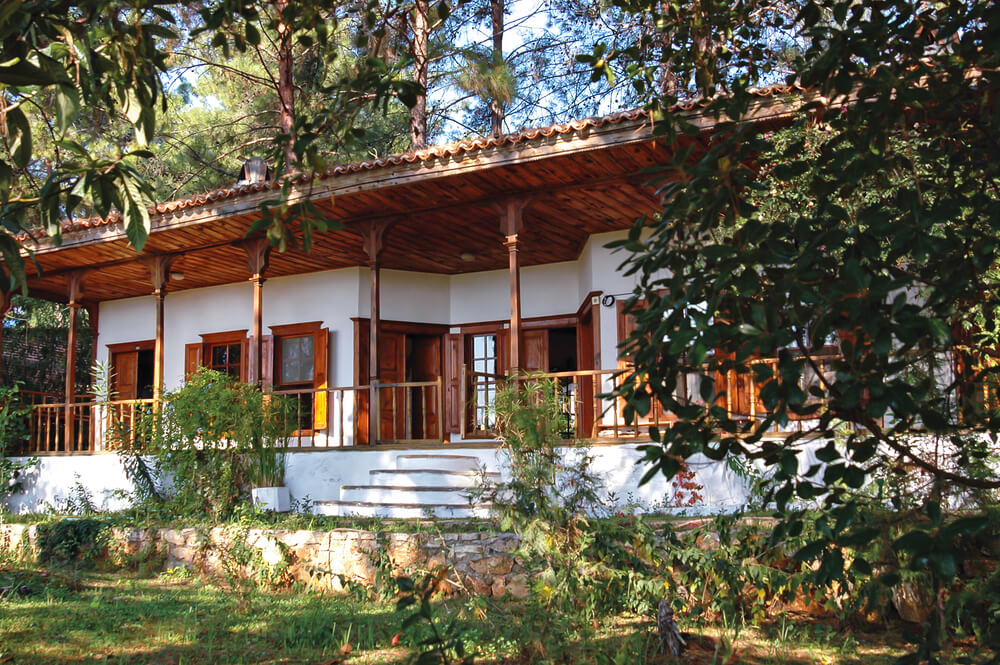
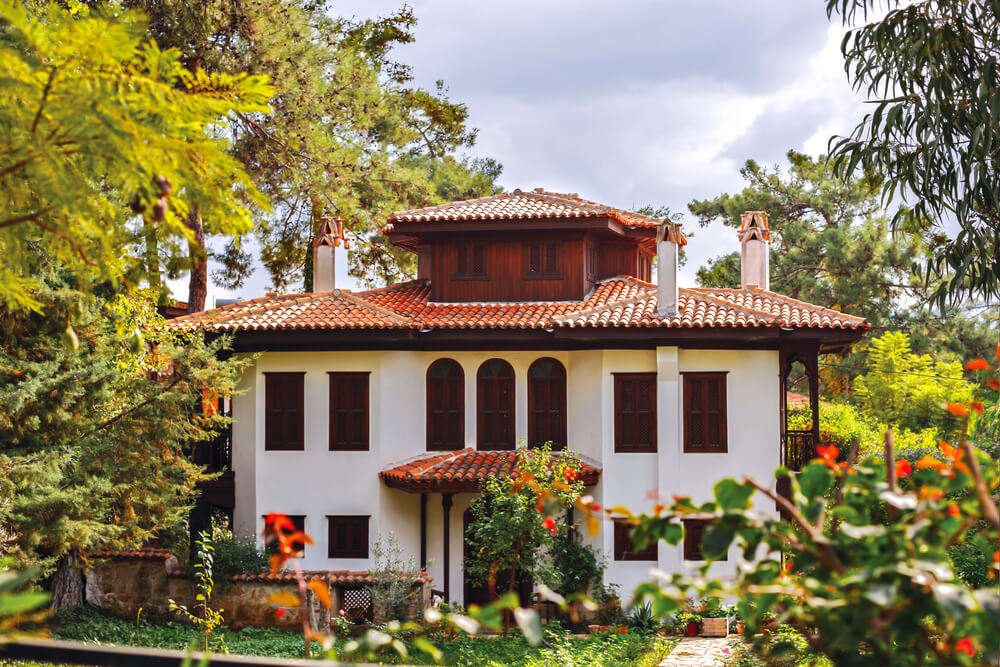
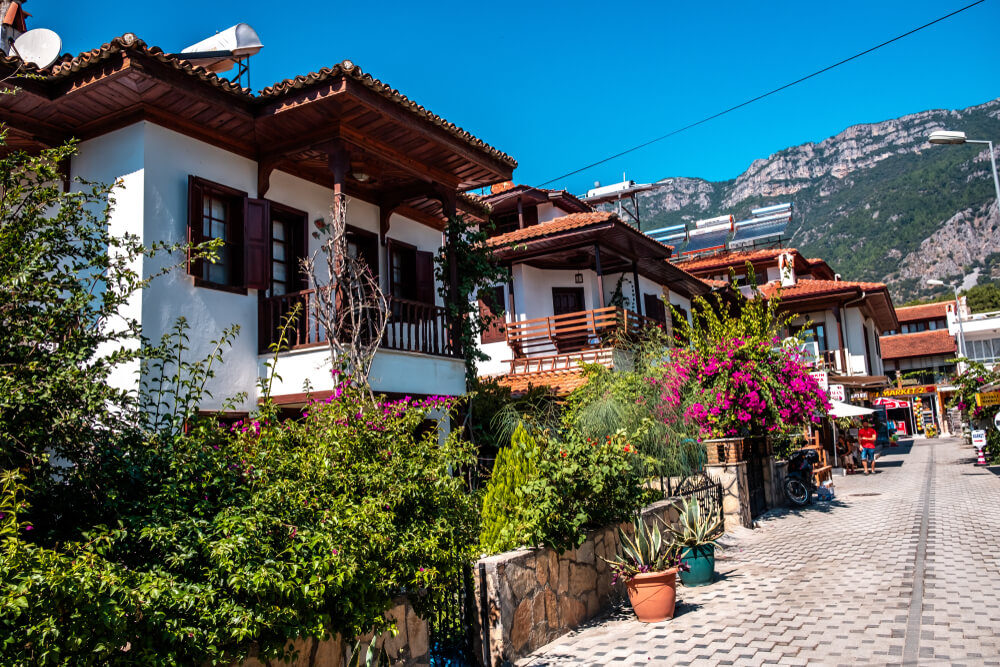
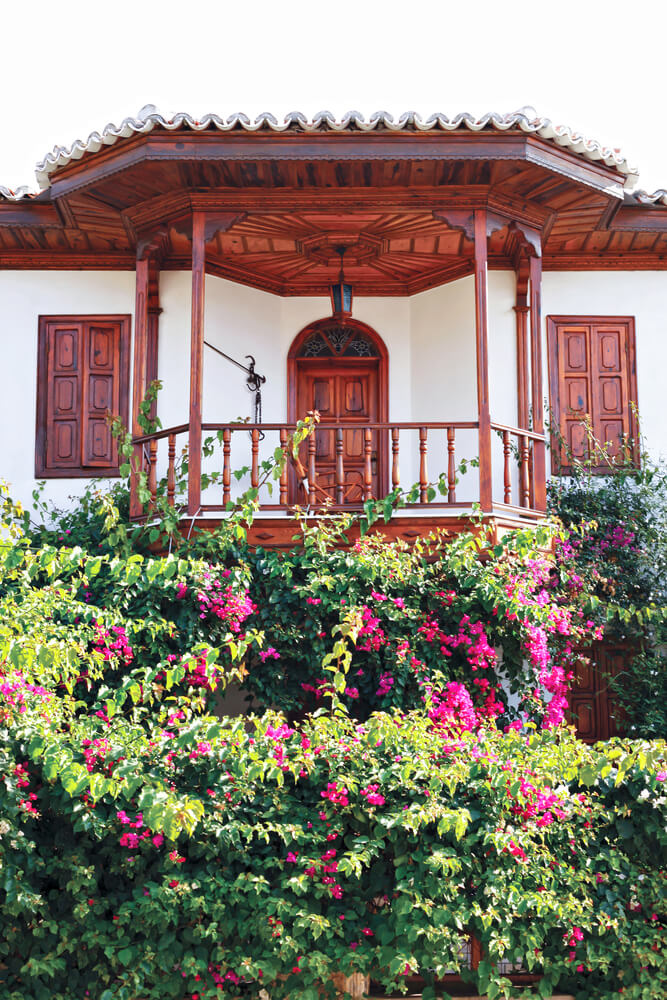
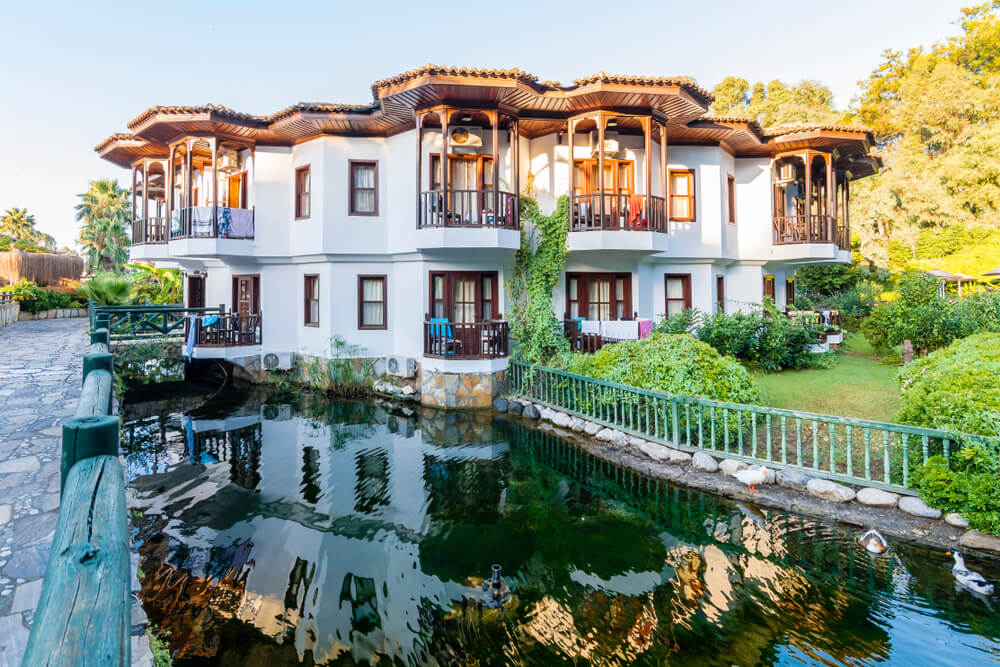
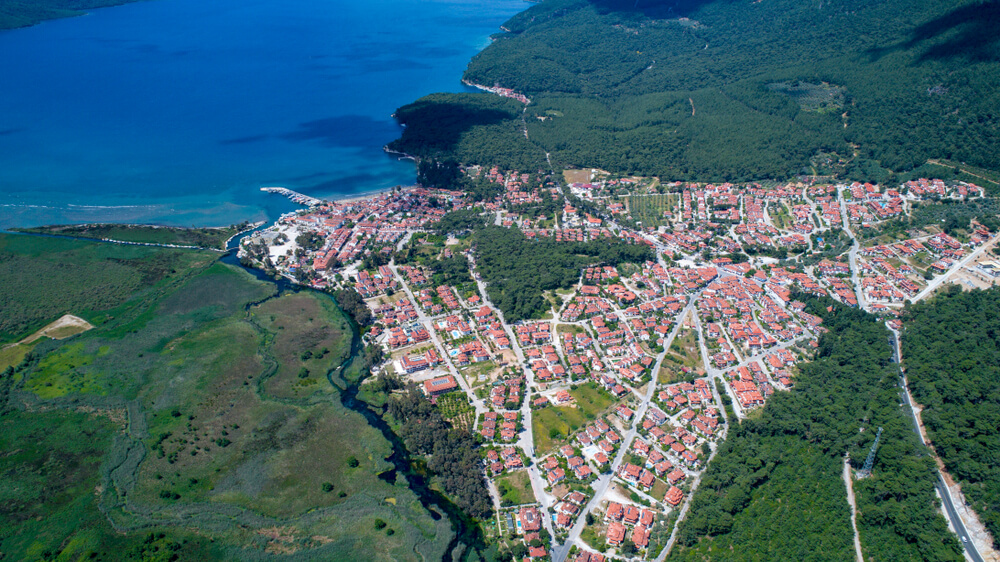
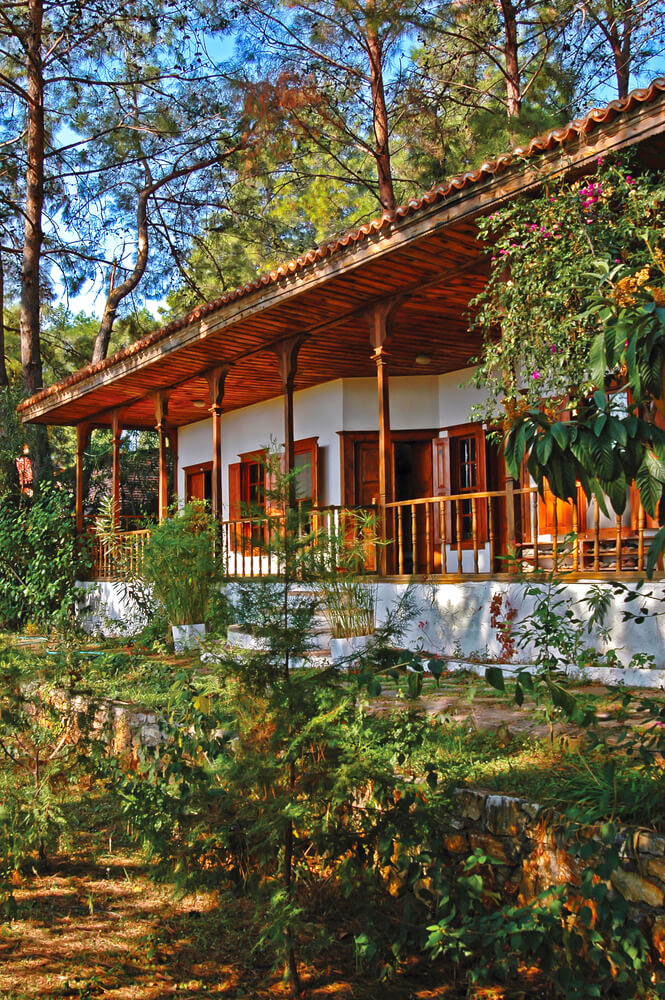
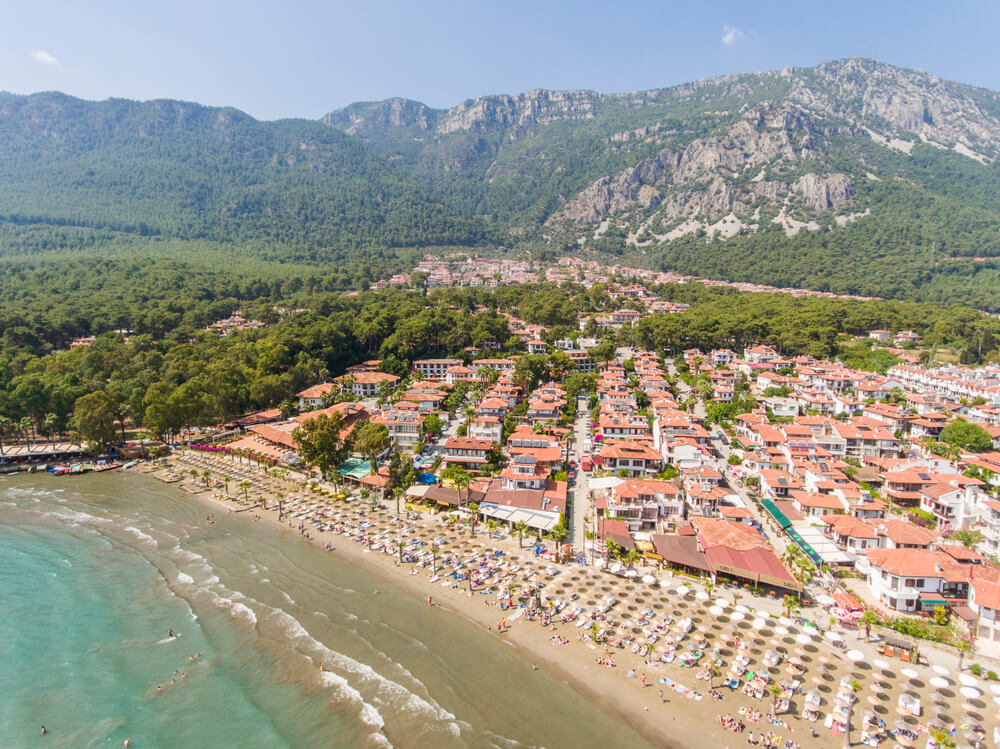
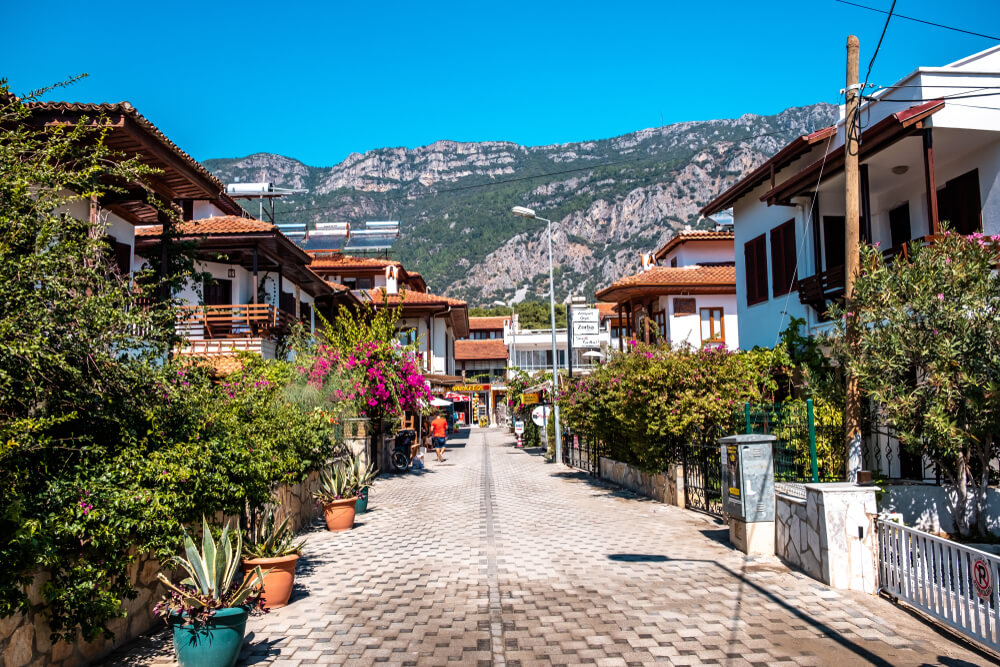
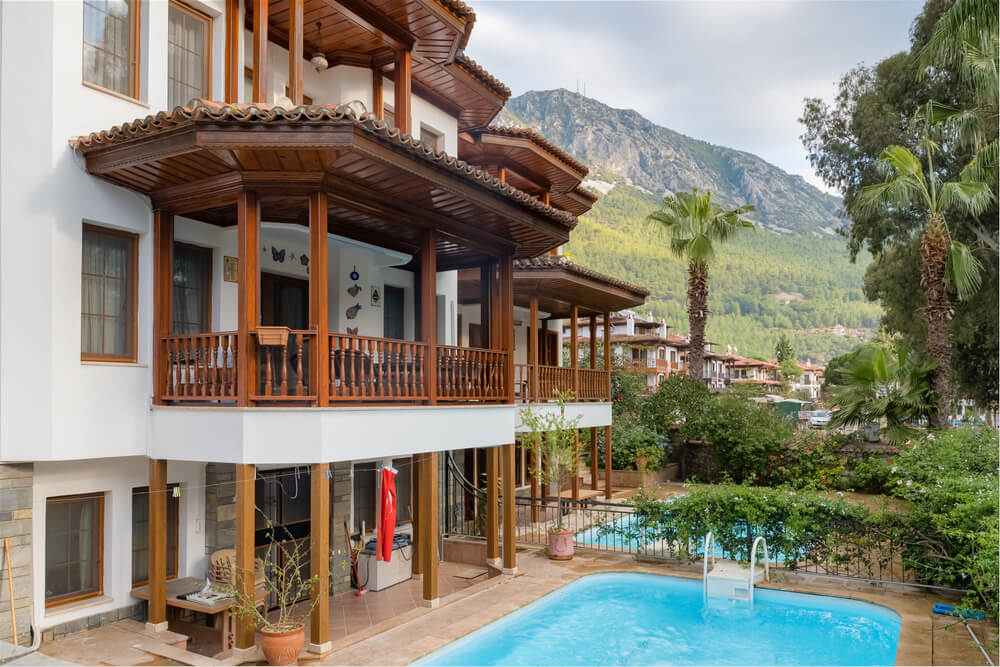
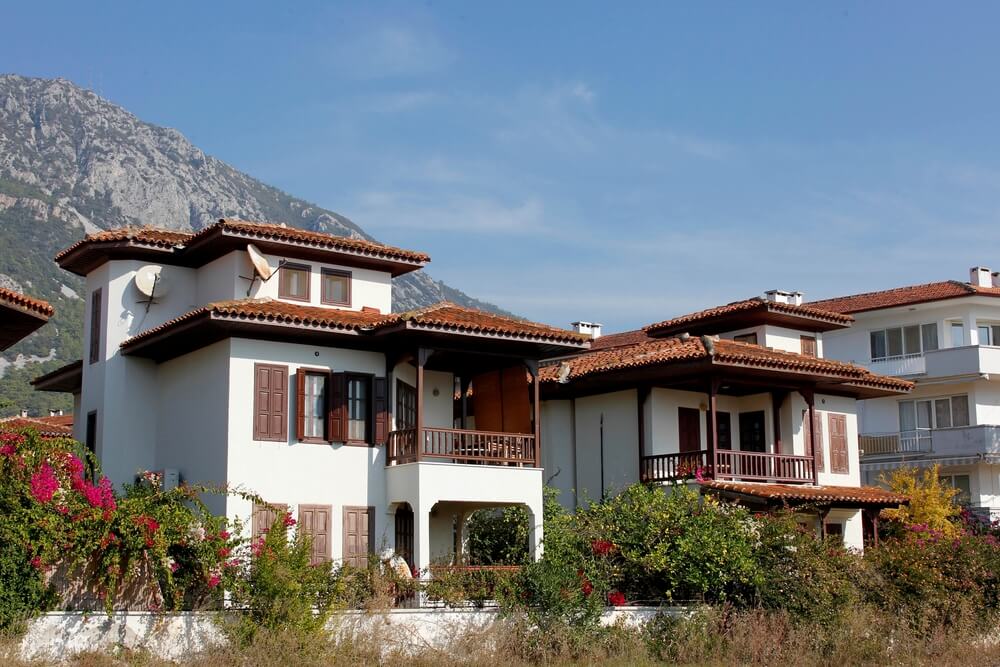
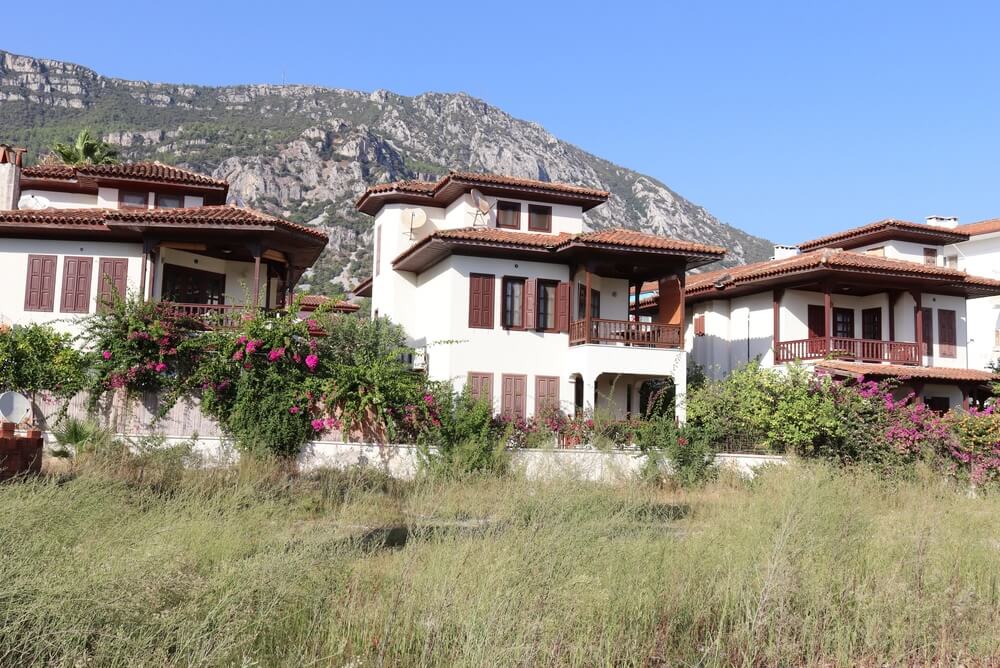
One of the important reasons for the special atmosphere of Akyaka is its warm, instantly recognizable architecture. In modern houses, you can see motifs from traditional settlements of Western Anatolia. There is a rule of a unified architectural style in the area, so there are no high-rise buildings here. The houses are integrated into nature and the historical context, which has given the village its unique appearance. The most notable features are the impressive wooden carvings and well-kept, vibrant gardens.
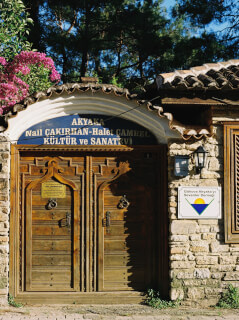
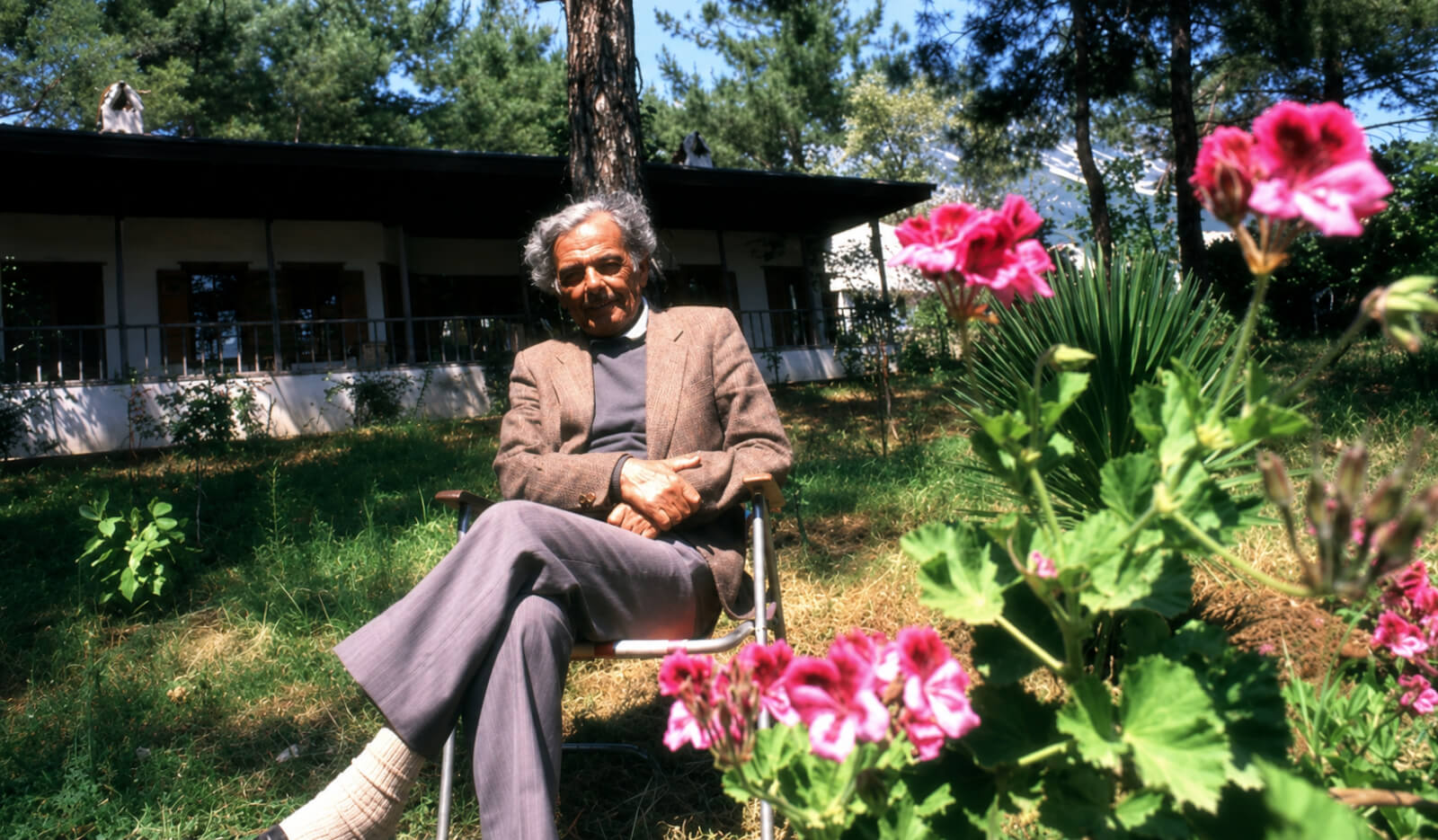
Nail Çakırhan, the person whose name is most associated with the architecture of Akyaka, actually never received formal architectural education: he was a journalist and poet and even lived in the USSR for a while. His interest in architecture began when he assisted his archaeologist wife, Halet Çakırhan, during field trips and surveys. While working on construction sites, Nail gained experience, and then, while restoring his mother's old house with local carpenters, he acquired the necessary skills and began planning the construction of his own house.
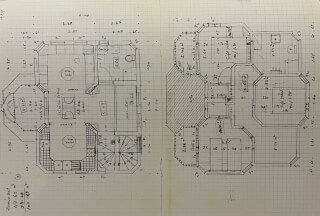
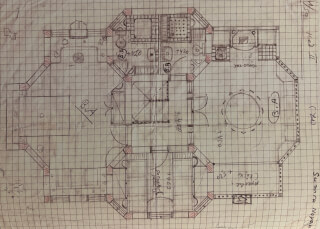
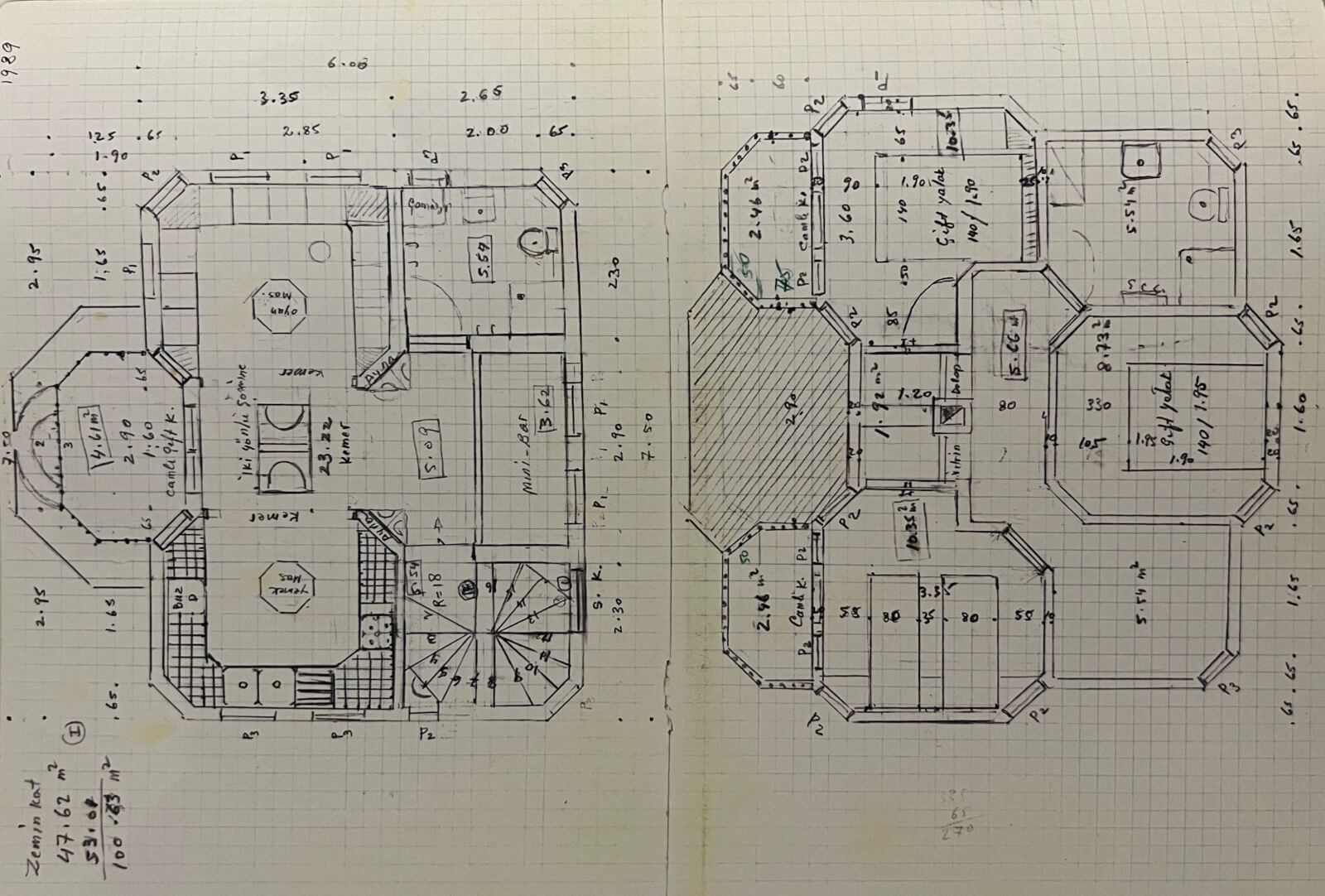
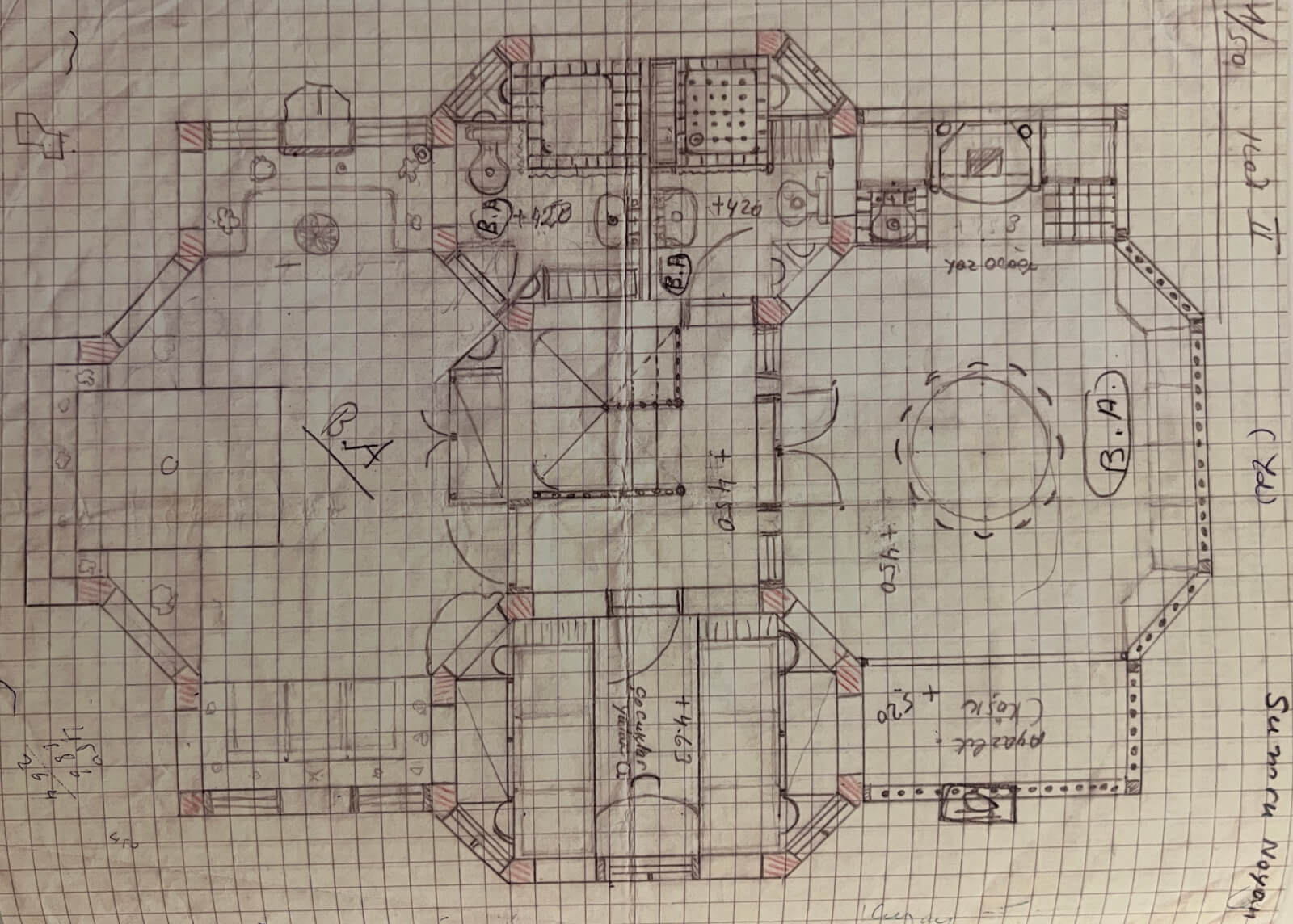
Using a traditional style, Nail sketched plans and transferred them to the plot. Work on this house began in 1969 and was completed in 1971 without the use of classical design documentation. The house that Nail Çakırhan built for himself was awarded the Aga Khan Award for Architecture in 1983 and is now a museum that we recommend visiting for anyone interested in architecture and the unique history of our village's development.
Akyaka is often cited in academic texts as a model case where a new "folk" architectural style was established in the urban planning and became a tool for sustainable development and preservation of the city's appearance.






 FAQ
FAQ